 Message
 中文
 English


News


News
7 Common Waterproof Connector Selection Mistakes to Avoid
Release time:2026-11-25
viewed:11
Choosing the right waterproof connector is an important step in designing reliable electrical systems. For equipment manufacturers, electrical engineers, and purchasing teams, the selection process involves more than comparing product dimensions or prices. Connector compatibility, cable specifications, installation conditions, and application requirements all need to be considered.
A connector that looks suitable may not be the right choice for a particular project. Differences in contact arrangements, locking structures, cable diameters, and environmental requirements can affect whether two components work together as intended.
At YCZXF, we understand that selecting connectors for industrial and outdoor equipment requires careful evaluation. This guide explains seven common waterproof connector selection mistakes and how buyers can avoid them.
One common purchasing mistake is selecting a connector because it looks similar to an existing component.
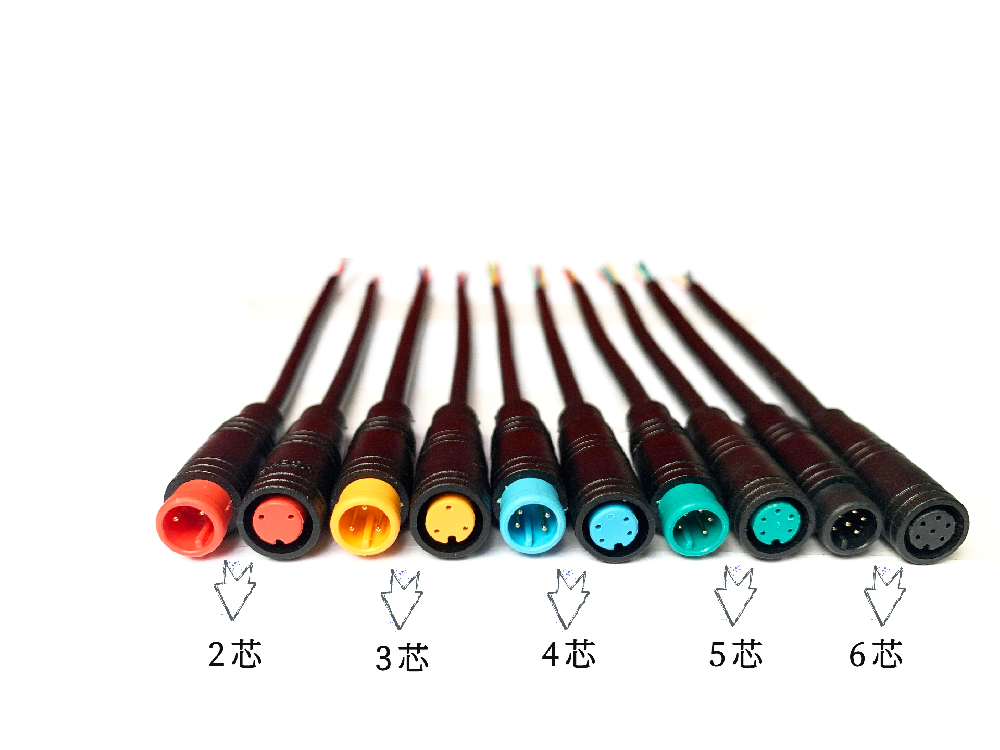
Two connectors may have similar shapes and dimensions but still differ in important details, such as:
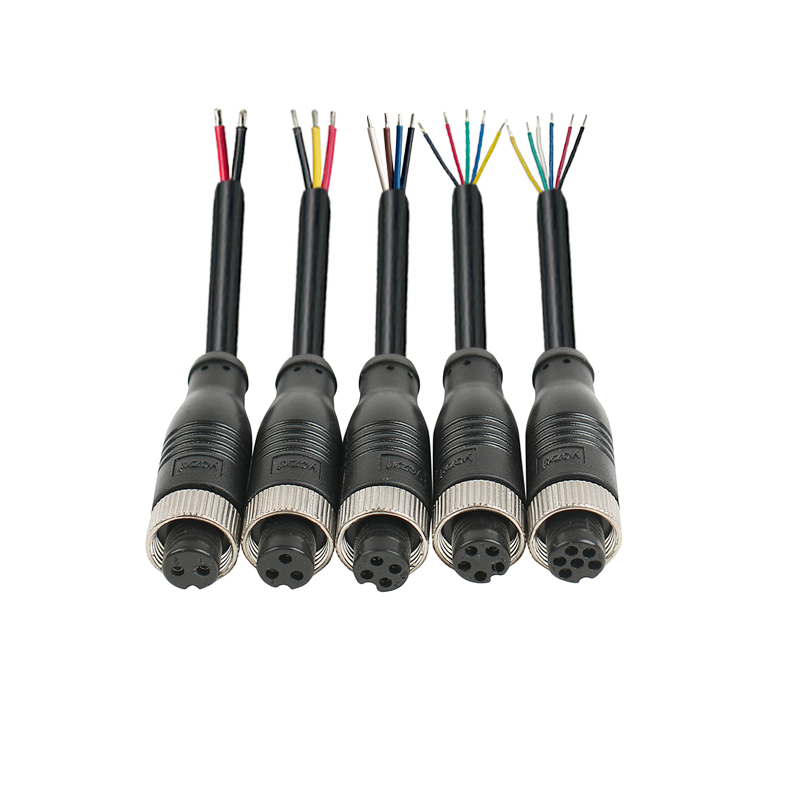
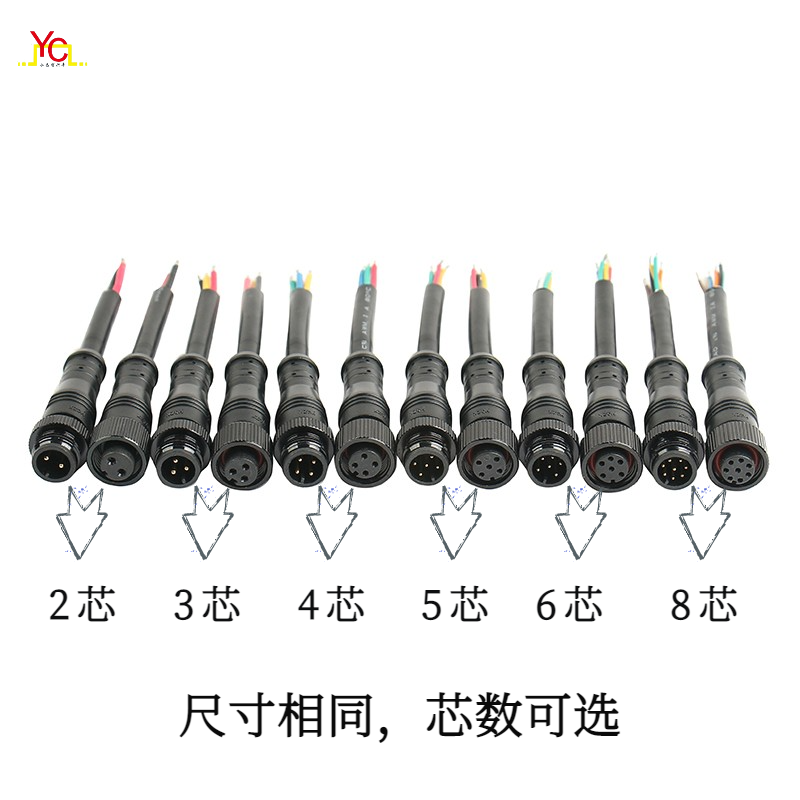
Number of electrical contacts
Pin and socket arrangements
Contact assignment
Thread specifications
Locking mechanisms
Mating interface dimensions
Cable entry structure
These differences can prevent proper mating or create compatibility problems during assembly.
How to avoid this mistake:
Before placing an order, compare the technical drawings and product specifications of both connector halves. Confirm the contact configuration, mating structure, and mechanical dimensions rather than relying on product photographs alone.
For replacement projects, provide the supplier with the original connector model, clear photographs, wiring information, and dimensional requirements whenever available.
A waterproof connector must be suitable for the cable used in the application.
Buyers sometimes focus on the connector body while overlooking the cable diameter and conductor requirements. This can lead to installation difficulties or an unsuitable cable-entry fit.
Important cable details include:
Overall cable outer diameter
Number of conductors
Conductor cross-sectional area or AWG size
Insulation material
Cable construction
Required cable flexibility
The overall cable diameter is particularly important when the connector uses a cable sealing component. A cable that is outside the supported diameter range may not fit or seal as intended.
How to avoid this mistake:
Confirm the cable's actual outer diameter and conductor specifications before selecting the connector. Ask the supplier to identify the supported cable range for the specific model.
Do not assume that connectors with similar external dimensions accept the same cable sizes.
Another frequent mistake is assuming that every waterproof connector offers the same level of environmental protection.
Ingress protection ratings describe resistance to the entry of solid objects and water under specified test conditions. Different ratings represent different levels of protection, and they should not be treated as interchangeable.
Buyers should also understand that an IP rating does not automatically establish resistance to every environmental condition.
For example, an outdoor installation may involve:
Rain and water splashes
Temporary or continuous immersion
Dust exposure
Temperature fluctuations
UV exposure
Salt-containing coastal environments
Mechanical vibration
These conditions involve different performance considerations.
How to avoid this mistake:
Identify the actual environmental requirements of the application. Check the documented IP rating and the test conditions for the exact connector model.
If the project requires additional environmental performance, such as UV resistance or corrosion resistance, request the relevant material information or test documentation separately.
Avoid assuming that a connector is suitable for every outdoor environment simply because it is described as waterproof.
Selecting the correct connector gender is not enough to guarantee compatibility.
Male and female connectors must have matching electrical and mechanical configurations. Even products described using the same series name may have different contact arrangements or mating structures.
Potential compatibility issues include:
Different pin counts
Different contact assignments
Incompatible keying structures
Different thread sizes
Different locking designs
Different cable-entry configurations
These differences are especially important when purchasing replacement parts or sourcing connectors from multiple suppliers.
How to avoid this mistake:
Check both sides of the connection as a matched pair. Confirm that the male and female versions belong to the same compatible product series and have matching electrical specifications.
For OEM projects, it is useful to approve a complete mating pair before beginning mass production.
A low unit price does not always represent the lowest total purchasing cost.
A connector with an attractive initial price may create additional costs if it requires more complicated installation, causes assembly delays, or does not match the project's requirements.
B2B buyers should consider the complete purchasing and production process.
Relevant factors include:
Unit price and minimum order quantity
Packaging and shipping costs
Assembly requirements
Product consistency
Replacement availability
Lead time
Technical support
Compatibility with existing equipment
How to avoid this mistake:
Compare suppliers using the same technical specification and purchasing conditions. Evaluate the total cost of using the connector rather than comparing prices without checking product details.
For recurring orders, also discuss production planning, sample approval, and specification control with the supplier.
A connector may meet the basic electrical and dimensional requirements but still be unsuitable for the actual installation location.
For example, connectors used in a control cabinet may face different conditions from those installed on outdoor lighting equipment or moving machinery.
Consider the following installation factors:
Check the connector's overall dimensions, cable exit direction, and required clearance for connection and disconnection.
Consider whether the cable needs to bend near the connector. Tight bends may create mechanical stress on the cable and connection point.
Equipment exposed to vibration or repeated movement may require additional attention to cable support, locking structure, and installation practices.
If the equipment needs regular inspection or replacement, make sure the connector can be accessed and disconnected using the intended procedure.
How to avoid this mistake:
Describe the installation environment to the supplier before selecting a model. Include equipment photographs, available space, cable routing information, and maintenance requirements whenever possible.
Moving directly from an initial quotation to mass production can create avoidable purchasing risks.
A product description or quotation may not contain every detail needed for final approval. If the connector is intended for a new design or replacement project, a sample evaluation can help identify potential problems before a larger order is placed.
How to avoid this mistake:
Establish a clear approval process:
Confirm the application and technical requirements.
Review the product drawing and specifications.
Verify male and female compatibility.
Confirm cable diameter and conductor requirements.
Request samples when necessary.
Evaluate installation and mating performance.
Approve the final product specification before mass production.
For repeat orders, maintain an approved specification record to reduce the risk of unintended product changes.
Before requesting a quotation, prepare the following information:
| Item | Information to Confirm |
|---|---|
| Application | Equipment type and installation environment |
| Connector type | Circular, plastic, metal, M-series, or other structure |
| Contact configuration | Number of pins and contact arrangement |
| Electrical requirements | Rated voltage and current required by the project |
| Cable details | Outer diameter, conductor size, and cable construction |
| Mating requirements | Male/female compatibility and locking structure |
| Environmental conditions | Water, dust, temperature, UV, and other exposure |
| Dimensions | Available installation space and mounting requirements |
| Documentation | Drawings, specifications, and applicable test records |
| Quantity | Sample quantity, initial order, and estimated recurring demand |
Providing these details helps suppliers recommend products that better match the intended application.
YCZXF focuses on waterproof connector products for industrial and electrical applications. Our product range includes circular waterproof connectors, plastic and metal waterproof connectors, LED connectors, M-series connectors, aviation-style connectors, and cable glands.
For buyers evaluating a new project, clear technical information is an important starting point.
When contacting YCZXF, consider sharing:
Your application and equipment type
Required connector structure
Cable specifications
Electrical requirements
Product drawings or reference photographs
Estimated purchasing quantity
This information can help narrow down suitable product options and clarify the technical details that need to be confirmed.
There is no single factor that applies to every project. Buyers should evaluate electrical requirements, mechanical compatibility, cable dimensions, environmental conditions, and installation requirements together.
Not necessarily. They may have different contact assignments, keying structures, dimensions, or locking mechanisms. Always verify the complete mating specifications.
Check the supported cable outer diameter and conductor specifications for the exact connector model. The cable's overall diameter is particularly important for cable-entry sealing components.
No. An IP rating describes specific ingress protection performance under defined test conditions. Other environmental factors, including UV exposure, corrosion, temperature, and vibration, may require separate evaluation.
For new designs, replacement projects, or applications with specific technical requirements, sample evaluation is a practical way to verify fit, mating compatibility, and installation suitability before bulk purchasing.
Provide the application, connector type, contact configuration, cable dimensions, electrical requirements, environmental conditions, estimated quantity, and any available drawings or photographs.
Selecting the right connector starts with understanding the actual requirements of your equipment.
Whether you are sourcing connectors for industrial machinery, outdoor electrical systems, LED lighting, or OEM manufacturing, YCZXF can help you review product options based on your project information.
Contact YCZXF to discuss your waterproof connector requirements and request product details for your application.
 Returns a list
 0755-28471633