 Message
 中文
 English


News


News
Custom Waterproof Connectors for OEM Projects: A Buyer’s Guide
Release time:2026-11-24
viewed:17
For original equipment manufacturers, choosing an electrical connector is not always a matter of selecting a standard product from a catalog. Different machines and electrical systems may require specific connector dimensions, contact arrangements, cable configurations, mounting structures, or housing materials.
When standard connector options do not fully match an equipment design, a customized waterproof connector may be worth considering.
However, a successful OEM connector project requires more than requesting a different product appearance. Buyers need to define technical requirements, review drawings, confirm compatibility, evaluate samples, and communicate production expectations with the manufacturer.
This guide explains how to plan a custom waterproof connector project and what information to prepare before contacting a supplier.
Standard waterproof connectors can meet many common electrical connection requirements. However, some equipment designs involve special installation or electrical requirements.
Customization may be considered when a project requires:
A specific connector housing dimension
A particular number of electrical contacts
A customized pin arrangement
Special cable lengths or cable configurations
A specific mounting structure
Different housing material options
A particular connector orientation
An integrated cable and connector assembly
For example, an equipment manufacturer may need a connector that fits an existing enclosure opening or matches a defined wiring layout.
Before requesting customization, compare the project requirements with available standard products. A standard connector may provide a simpler and more economical solution if it already meets the technical requirements.
Electrical specifications should be established before finalizing the connector structure.
Identify the voltage and current requirements of the equipment.
The selected connector must have suitable documented electrical ratings for the intended application.
Do not estimate connector ratings from its size or appearance.
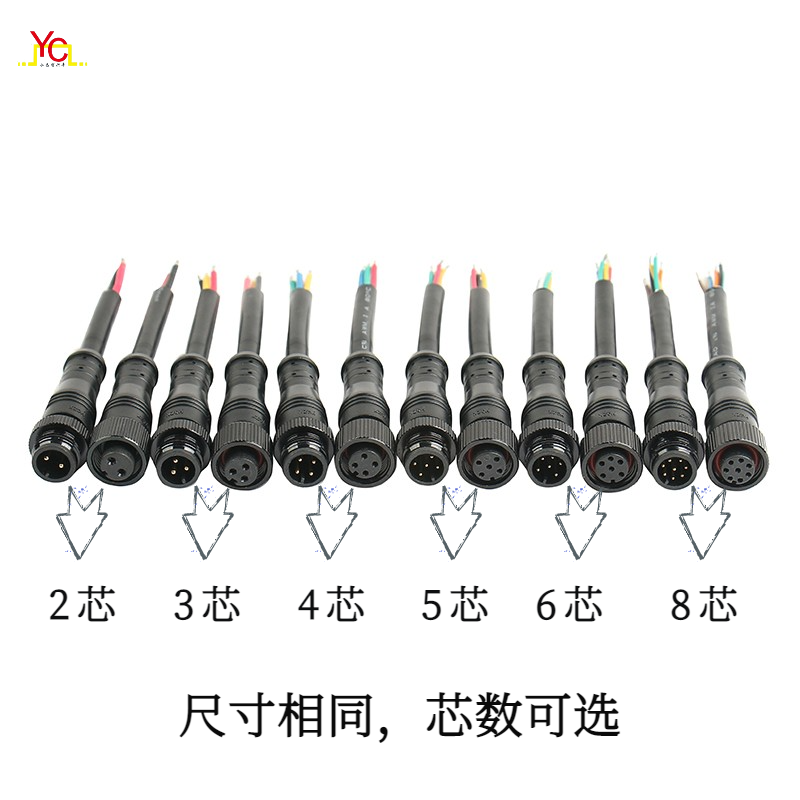
Specify how many electrical contacts are required.
Different equipment systems may need connectors for power, signal transmission, control functions, or combined electrical connections.
Prepare a wiring diagram or pin assignment table.
The drawing should clearly identify each contact position and its corresponding electrical function.
This helps reduce communication errors during sample development and production.
Confirm the required termination method, such as crimping, soldering, or another product-specific connection method.
The termination method should be compatible with the selected conductor and connector design.
The connector structure should match the equipment's mechanical design and installation requirements.
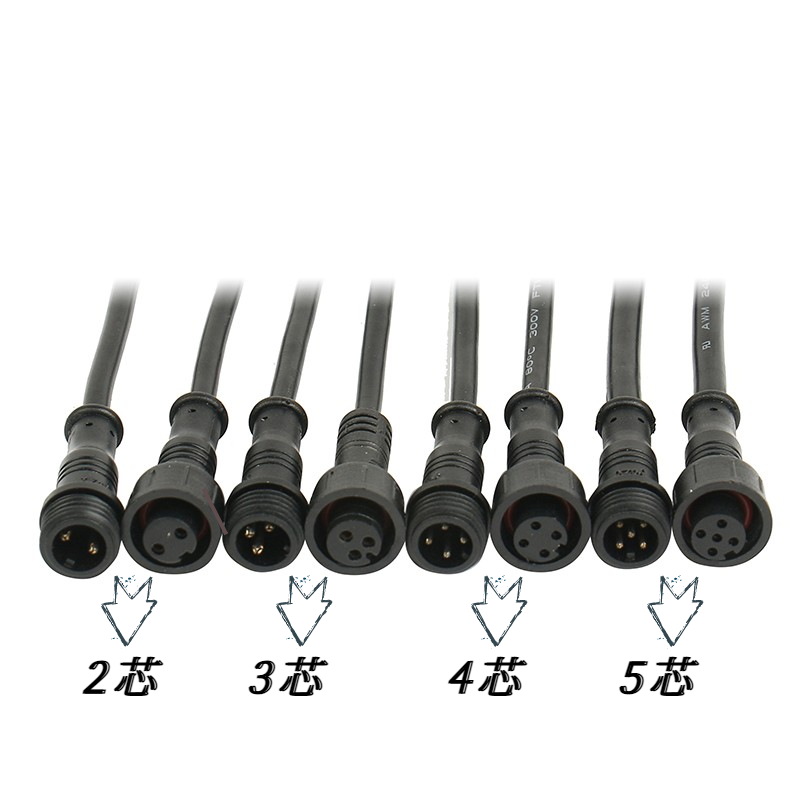
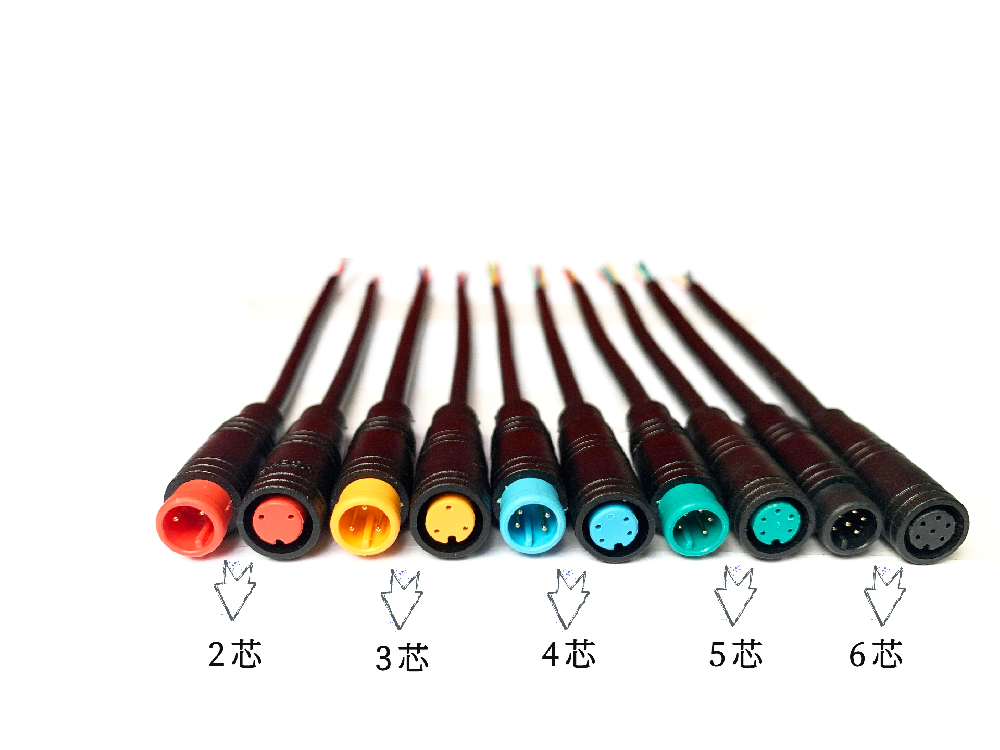
Circular connectors are often considered when a compact mating interface and defined contact arrangement are needed.
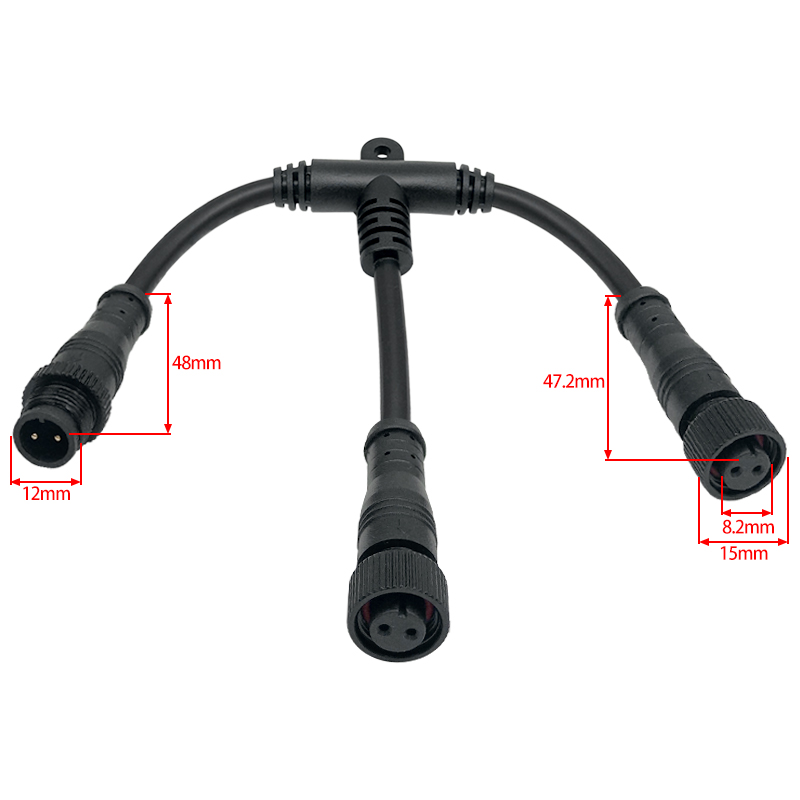
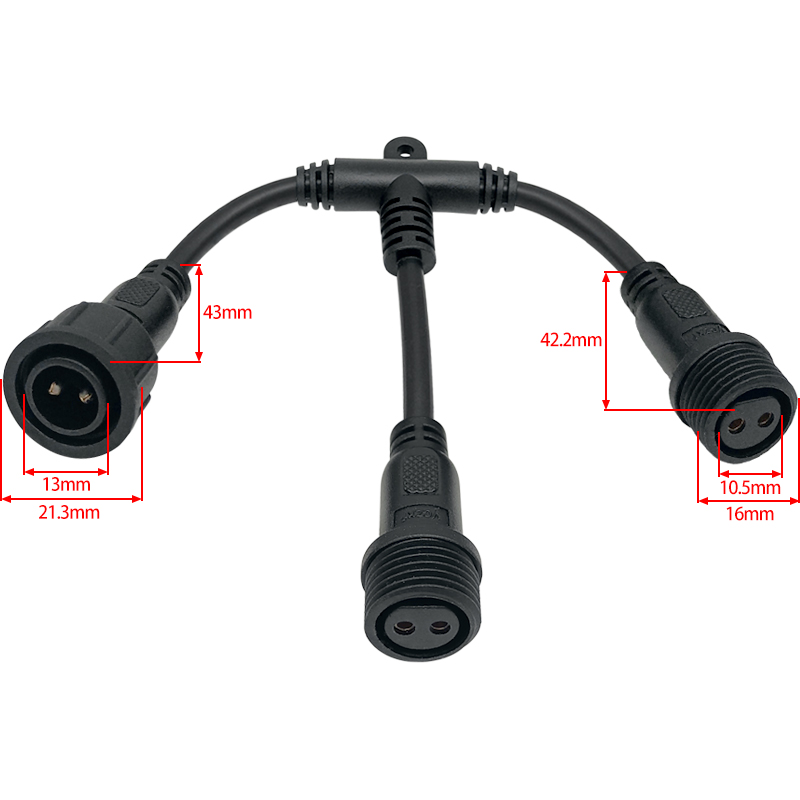
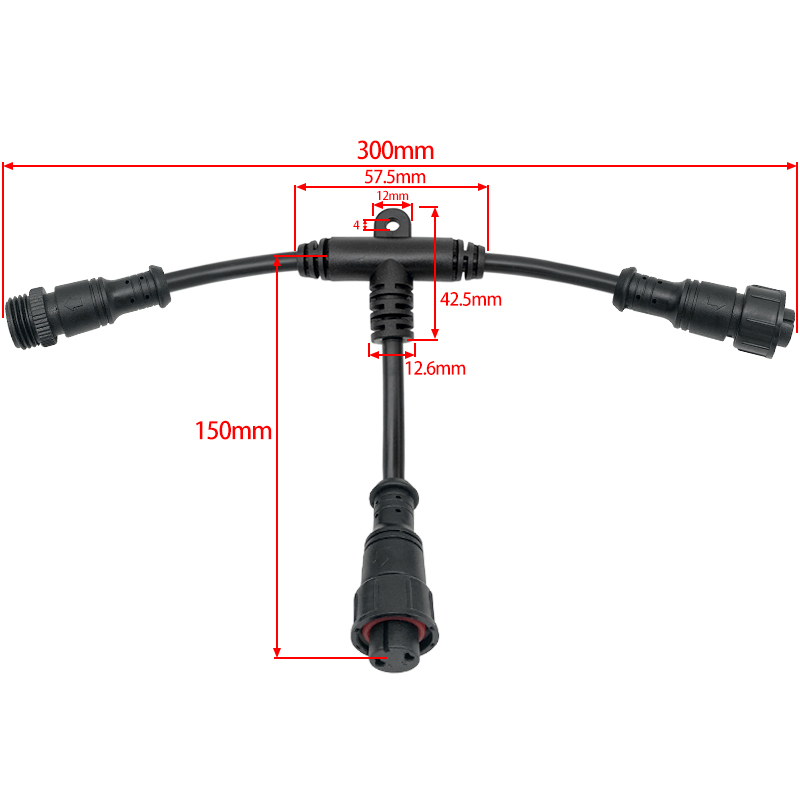
Important details include housing dimensions, contact count, coupling structure, and cable entry requirements.
Some OEM equipment requires a connector mounted directly to an enclosure or panel.
In this case, buyers should provide the panel thickness, mounting dimensions, thread requirements, and available installation space.
For applications that connect two cable assemblies, confirm the mating structure, cable lengths, and male and female configurations.
Both sides should be reviewed together to ensure compatibility.
Some projects require a connector supplied with a pre-attached cable.
If so, provide the cable type, length, conductor configuration, termination details, and any required labeling.
Material selection should reflect the equipment's operating environment and design requirements.
Engineering plastics may be considered where reduced weight, electrical insulation, or specific molded housing designs are important.
The exact material should be confirmed with the manufacturer based on the application's temperature, mechanical, and environmental requirements.
Metal housings may be considered when the project requires a rigid housing structure or a specific metal interface.
Buyers should identify any material or surface-finish requirements rather than using a general description such as metal connector.
Contact material and plating can influence electrical connection characteristics.
For OEM projects, specify any required contact material or plating details and request supporting product documentation where necessary.
Cable compatibility is one of the most important details in a customized connector project.
Prepare the following information before requesting a quotation:
Cable outer diameter: The connector's cable entry structure must match the cable dimensions.
Conductor size: Specify the conductor cross-section or wire gauge required by the application.
Number of conductors: Confirm the number of wires needed for the connector configuration.
Cable length: Provide the required finished cable length, including any applicable tolerance.
Insulation material: Identify the required cable insulation material where the project has specific environmental or performance requirements.
Cable color and identification: Specify wire colors, markings, or labels if required.
For cable assemblies, also provide the termination and wiring diagram.
Clear technical documents can help the manufacturer understand the project more accurately.
Useful documents include:
Product drawings
Connector dimensional drawings
Wiring diagrams
Pin assignment tables
Cable specifications
Equipment installation drawings
Existing connector photographs
Sample product references
A useful drawing may show:
Overall connector dimensions
Housing diameter and length
Thread specifications
Mounting dimensions
Contact arrangement
Cable entry dimensions
Mating interface details
Tolerances where required
If a project uses an existing connector that needs replacement or customization, provide photographs from multiple angles together with any available model information.
Photographs are useful references, but they should not replace dimensional drawings for critical fit requirements.
The environmental requirements should be clearly defined before product development.
If the equipment requires a particular IP rating, identify the required rating and intended test configuration.
For example, clarify whether the requirement applies to a mated connector pair, an individual component, or a complete cable assembly.
Ask the manufacturer for relevant product documentation and test information.
Provide the expected operating temperature range.
Consider whether the equipment will be installed indoors, outdoors, or near heat-generating components.
Some equipment may be exposed to oil, cleaning agents, salt-containing moisture, or other substances.
Identify these conditions so that material compatibility can be evaluated.
If the connector will experience vibration, repeated movement, or mechanical impact, provide the relevant project requirements.
Do not assume that a waterproof specification automatically confirms mechanical suitability.
For customized connector projects, sample evaluation is an important step before bulk production.
A typical process may include the following stages.
The buyer submits the application details, technical drawings, electrical specifications, and expected order quantity.
The manufacturer reviews whether an existing product or customized design is appropriate.
Both parties confirm the connector configuration, dimensions, cable details, materials, and required specifications.
Any unclear technical details should be resolved before sample development.
Samples are prepared according to the confirmed project requirements and agreed development process.
The buyer checks the sample against the equipment design.
Evaluation may include dimensional inspection, mating compatibility, wiring verification, and any project-specific testing.
Once the sample and specifications are approved, the final product configuration should be documented.
Any changes after approval should be reviewed before production begins.
Before placing a production order, make sure the following details are clear.
| Item | Information to Confirm |
|---|---|
| Product model | Final model and configuration |
| Dimensions | Approved drawings and tolerances |
| Contacts | Number, arrangement, and termination |
| Electrical ratings | Required voltage and current |
| Housing | Material and finish |
| Cable | Type, diameter, conductor size, and length |
| Protection | Required IP rating and test configuration |
| Packaging | Packaging method and labeling |
| Quantity | Order quantity and forecast |
| Quality requirements | Agreed inspection criteria |
| Documentation | Approved drawings and specifications |
A clear purchase specification helps both the buyer and manufacturer maintain consistency during repeat orders.
A suitable manufacturing partner should be able to understand the project requirements and communicate clearly throughout the sourcing process.
When evaluating a supplier, consider:
Can the supplier review drawings, wiring diagrams, and connector specifications?
Does the supplier offer relevant connector structures, materials, and configurations?
Can the supplier support the agreed sample evaluation process?
Can the final product configuration and approved drawings be documented for repeat orders?
Ask the manufacturer to explain its actual production process, available inspection procedures, and applicable product documentation.
Do not rely on general claims without supporting information.
Customization may be available depending on the product design and manufacturer's capabilities. Common project requirements include dimensions, contact arrangements, cable configurations, housing materials, and mounting structures.
Prepare the application, electrical requirements, connector dimensions, pin assignment, cable specifications, environmental conditions, estimated quantity, and available technical drawings.
For a customized project, sample evaluation is generally a useful way to check dimensions, mating compatibility, wiring, and other agreed requirements before placing a bulk order.
An existing drawing can serve as a reference. The manufacturer should review the dimensions, materials, and design requirements before confirming whether changes are possible.
Keep an approved product specification that includes the final drawing, model number, cable details, material requirements, and inspection criteria. Refer to the approved version when placing repeat orders.
Not necessarily, but customization may involve additional engineering, tooling, sample development, or minimum order requirements. Compare the total project cost with the available standard alternatives.
Developing a customized waterproof connector starts with a clear understanding of the equipment's electrical, mechanical, and environmental requirements.
YCZXF provides waterproof connector solutions for industrial and electrical applications. OEM customers can discuss connector configurations, housing materials, cable requirements, dimensions, and project-specific specifications.
Contact YCZXF with your drawings or technical requirements to discuss suitable connector options for your equipment.
 Returns a list
 0755-28471633