 Message
 中文
 English


News


News
Waterproof Connectors for High-Vibration Applications
Release time:2026-11-23
viewed:14
Electrical connectors used in industrial machinery must remain suitable for their operating environment. In applications involving continuous movement, mechanical vibration, or repeated equipment operation, connector selection requires particular attention to the mechanical connection structure.
Waterproof connectors are commonly used in industrial equipment, vehicles, automation systems, and outdoor electrical assemblies. However, environmental sealing alone does not determine whether a connector is suitable for a high-vibration application.
The locking mechanism, cable support, mounting arrangement, contact design, and installation conditions should all be considered.
This guide explains what engineers and purchasing teams should evaluate when selecting waterproof connectors for equipment exposed to vibration.
Vibration can occur in many industrial environments. Motors, pumps, compressors, vehicles, processing equipment, and heavy machinery may all generate mechanical movement during operation.
Depending on the vibration level and equipment design, repeated movement may place stress on electrical connections.
Potential concerns include:
Loosening of connector coupling components
Movement at the mating interface
Mechanical stress on cable entry points
Wear caused by repeated movement
Damage to mounting structures
Intermittent electrical contact in unsuitable assemblies
These risks depend on the vibration characteristics, connector construction, installation method, and operating conditions.
For this reason, selecting a connector based only on its appearance or waterproof rating is not sufficient.
Before choosing a connector, identify how the equipment operates.
Some machines operate continuously and generate ongoing vibration. Examples may include industrial motors, pumps, and processing equipment.
For these applications, review the connector's mechanical specifications and any available vibration test information.
Other equipment may experience vibration only during certain operating stages, transportation, or movement.
The connector should be evaluated for the full operating cycle rather than only its stationary condition.
Mechanical shock is different from continuous vibration. Equipment may experience sudden impacts during operation, transportation, or handling.
If shock resistance is a project requirement, ask the manufacturer for relevant test information rather than assuming that a connector suitable for vibration is automatically suitable for impact.
The locking mechanism helps maintain the mechanical connection between mating connector components.
Different connector designs use different coupling structures.
Threaded connectors use mating threads to secure the connection.
When selecting this type, consider:
Thread compatibility
Correct assembly procedure
Available installation space
Accessibility for maintenance
Manufacturer-recommended tightening requirements
Threaded coupling may be suitable for applications where a defined mechanical fastening structure is preferred.
Bayonet-style designs use a turning action to engage the connector components.
They may be considered where quick connection and disconnection are important design requirements.
Check the specific locking structure and its suitability for the application's mechanical conditions.
Some connectors use push-lock or other quick-connection mechanisms.
These designs can simplify installation, but their suitability for high-vibration environments should be confirmed through product-specific documentation.
Do not assume that every quick-connect design provides the same retention performance.
A secure mating connection does not eliminate mechanical stress on the cable.
In high-vibration equipment, cable movement may transfer force to the connector body and cable termination area.
Route cables to avoid unnecessary pulling, twisting, and sharp bending near the connector.
Where appropriate, use cable supports or clamps to manage cable movement.
Strain relief helps reduce the transfer of mechanical force to the cable termination area.
The connector's cable entry structure and any additional support components should be compatible with the selected cable.
Long or heavy cables may place additional mechanical load on connector entry points.
Evaluate cable length, weight, movement, and mounting position as part of the complete assembly design.
Connector mounting can influence how mechanical movement is transferred through the assembly.
Depending on the application, connectors may be designed for cable-to-cable connections, panel mounting, or equipment-specific mounting arrangements.
Before selection, review:
Mounting dimensions
Panel cutout requirements
Thread specifications
Housing support
Available installation space
Accessibility for inspection and maintenance
For equipment with frequent movement, the surrounding mounting structure should also be evaluated. A suitable connector cannot compensate for an unstable mounting arrangement.
High-vibration applications may also involve water, dust, humidity, or outdoor exposure.
In these cases, environmental protection and mechanical suitability should be assessed together.
Review the specified IP rating for the exact connector configuration.
Confirm whether the rating applies to a mated connector pair, an individual component, or another defined assembly condition.
Depending on the design, sealing components may be located at the mating interface, cable entry, or housing connection.
Ensure that the selected connector is assembled according to the manufacturer's instructions.
Consider whether the connector will be exposed to:
Water splashes
Dust
Oil or other fluids
Temperature fluctuations
Outdoor weather conditions
Cleaning procedures
Material compatibility should be confirmed for the actual operating environment.
Mechanical performance is only one part of connector selection.
Engineers should also verify the electrical specifications.
Important details include:
Rated voltage
Rated current
Number of contacts
Contact arrangement
Contact material and plating
Conductor size
Insulation characteristics
Required wiring configuration
For signal connections, also consider the electrical requirements of the connected equipment.
A connector with a suitable mechanical structure may still be unsuitable if its electrical configuration does not match the application.
Motors, pumps, compressors, and production equipment may generate mechanical vibration during operation.
Connector selection should consider equipment movement, mounting, and cable routing.
Vehicles and mobile equipment may experience vibration, road movement, and changing environmental conditions.
Connector configuration and mechanical retention should match the specific vehicle system requirements.
Tractors and harvesting equipment may operate on uneven surfaces and in environments with dust and moisture.
Electrical assemblies should be evaluated for mechanical movement, cable support, and environmental exposure.
Automated machinery may involve repeated movement and operation cycles.
Connector selection should account for the equipment's motion pattern, installation space, and maintenance requirements.
Use this checklist when evaluating connectors for industrial projects.
| Selection Factor | What to Review |
|---|---|
| Vibration conditions | Frequency, intensity, and operating cycle |
| Shock requirements | Any specified impact or shock conditions |
| Locking mechanism | Coupling design and retention requirements |
| Cable support | Strain relief and cable routing |
| Mounting structure | Panel, equipment, or cable mounting |
| IP rating | Required protection and test configuration |
| Electrical ratings | Voltage, current, and contact arrangement |
| Materials | Compatibility with operating conditions |
| Dimensions | Housing, thread, and installation dimensions |
| Documentation | Available mechanical and electrical test information |
If the project has defined vibration or shock test requirements, provide them to the connector manufacturer before finalizing the product selection.
For OEM and industrial purchasing projects, clear technical communication helps identify suitable connector options.
Consider asking:
What locking mechanisms are available for the required connector series?
Is vibration test information available for the selected model?
What cable diameter range is supported?
Are cable support or strain relief accessories available?
What are the mounting and dimensional requirements?
What environmental protection specifications are documented?
Can the connector configuration be adapted to the equipment design?
Provide application details, drawings, cable specifications, and mechanical requirements whenever possible.
No. Waterproof performance and vibration suitability are different considerations. The locking mechanism, housing design, cable support, and available mechanical test information should be reviewed.
There is no universal answer. Threaded, bayonet-style, and other locking structures have different designs. The appropriate option depends on the equipment's vibration conditions, installation requirements, and product specifications.
Uncontrolled cable movement may place additional mechanical stress on the cable entry and termination area. Suitable cable routing and support can help manage this stress.
No. IP ratings describe specified protection against solid objects and water ingress. They do not automatically indicate vibration or shock performance.
Provide the application, vibration or shock requirements, electrical specifications, cable dimensions, mounting details, environmental conditions, and available drawings.
Selecting connectors for high-vibration equipment requires attention to both mechanical and electrical specifications.
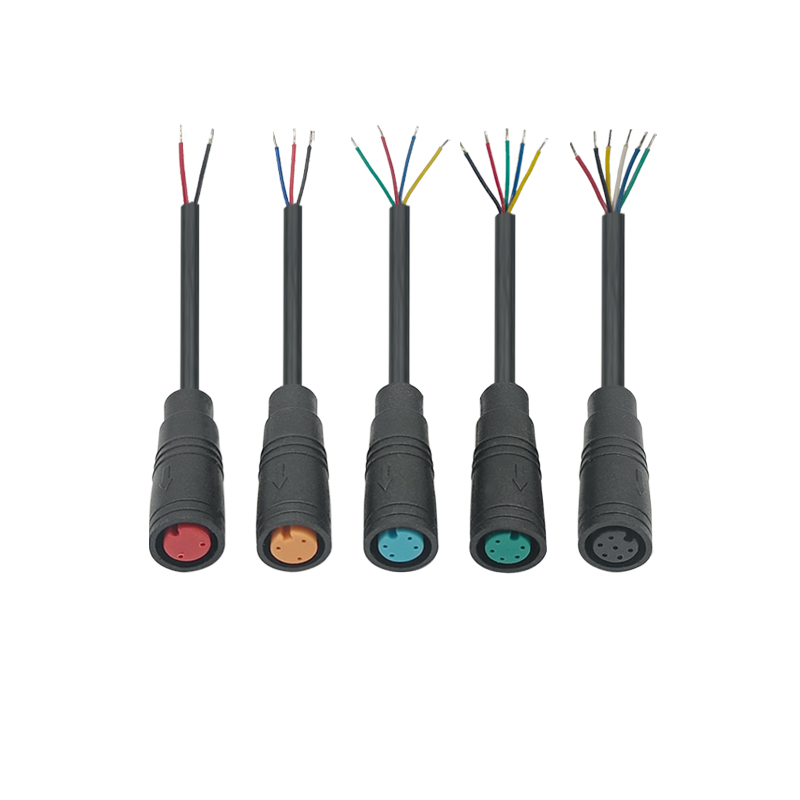
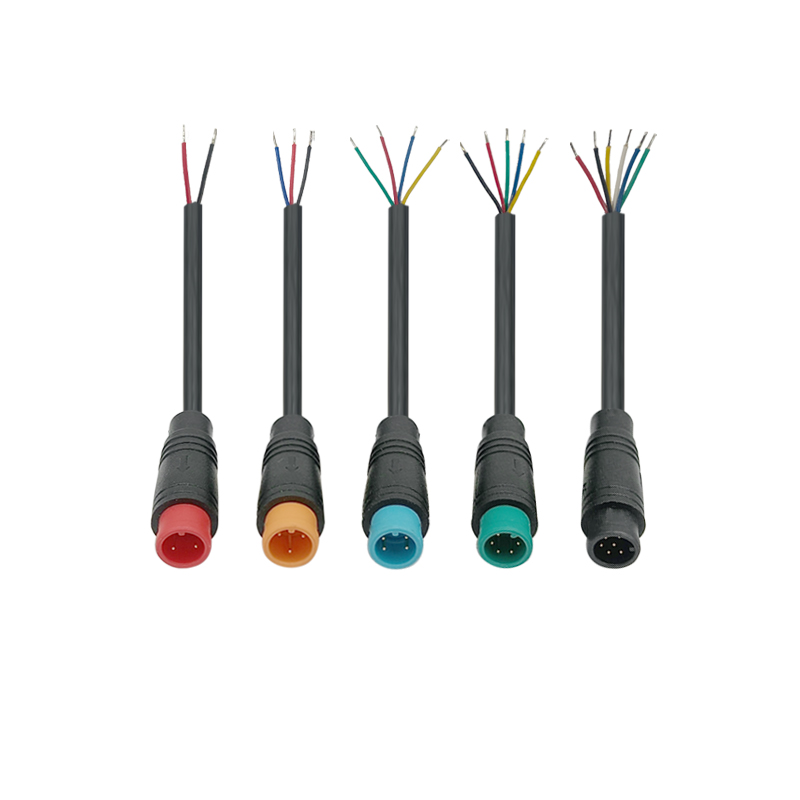
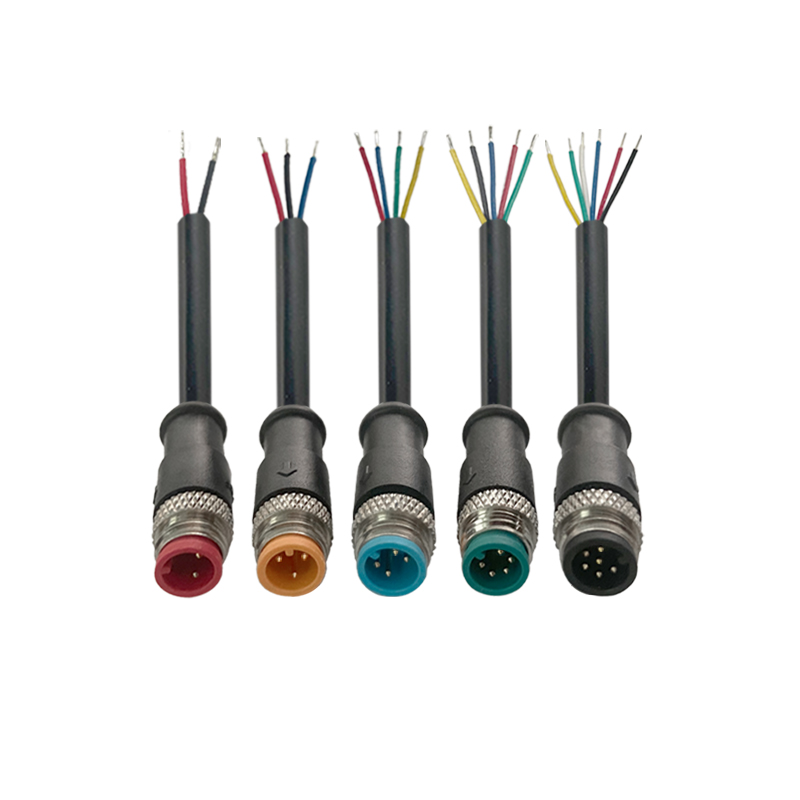
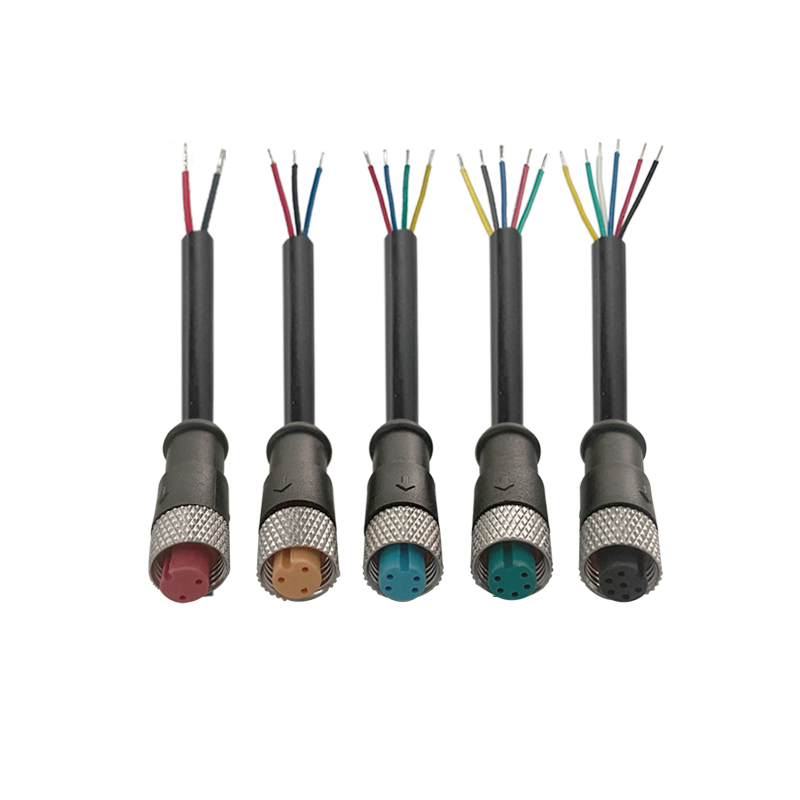
YCZXF provides waterproof connector solutions for industrial and electrical applications. For OEM projects, customers can discuss connector configuration, locking structures, cable requirements, mounting dimensions, and application conditions.
Contact YCZXF to share your project requirements and review suitable connector options.
 Returns a list
 0755-28471633