 Message
 中文
 English


News


News
Plastic vs Metal Waterproof Connectors: Key Differences
Release time:2026-11-19
viewed:0
Choosing the right waterproof connector is an important part of designing reliable electrical systems. In industrial equipment, outdoor installations, automation systems, and electrical enclosures, connector material can influence mechanical strength, weight, corrosion behavior, installation requirements, and overall project cost.
Two common options are plastic waterproof connectors and metal waterproof connectors. Both are used in demanding environments, but they serve different application needs.
Understanding the differences between these materials can help engineers, equipment manufacturers, and purchasing teams select a connector that matches their operating conditions.
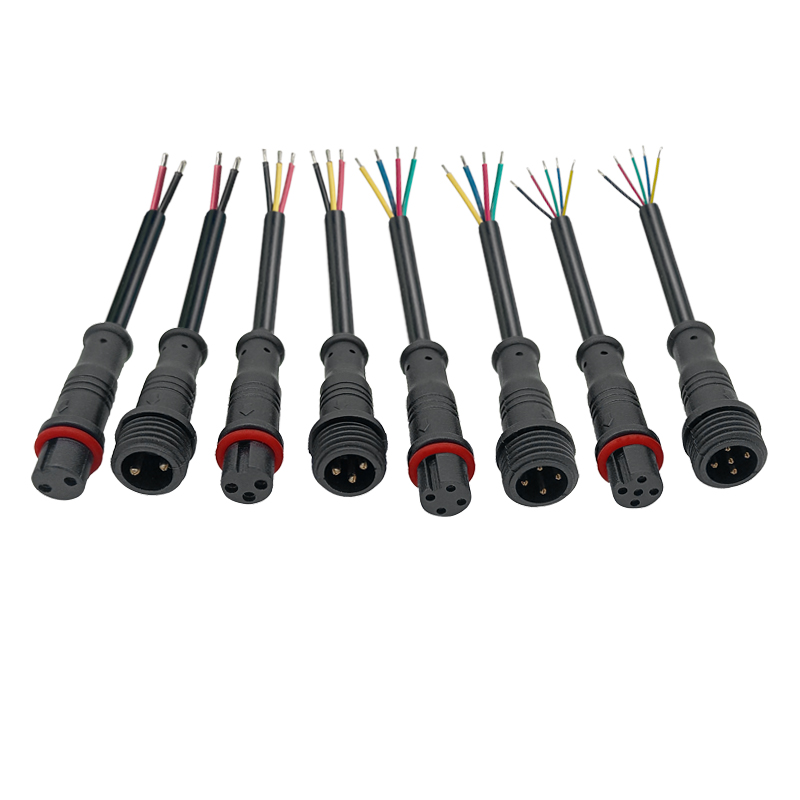
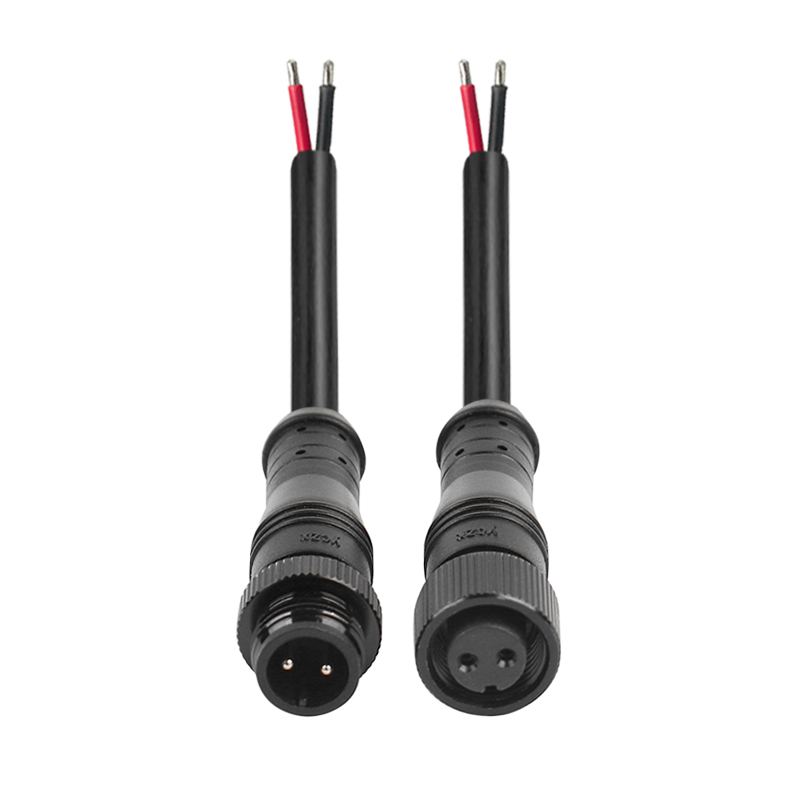
Plastic waterproof connectors are electrical connectors made with insulating polymer materials. Depending on the product design, their housings may use materials such as nylon or other engineering plastics.
They are commonly selected for applications where electrical insulation, reduced weight, and practical installation are important.
Lightweight construction for equipment where weight matters
Electrical insulation provided by the housing material
Flexible design possibilities for different connector configurations
No metal housing surface that requires protection against corrosion
Suitable for many general industrial and outdoor electrical applications, depending on the product specification
Plastic connectors are frequently considered for LED lighting, electrical equipment, control systems, and applications where a lightweight connection solution is preferred.
Metal waterproof connectors use metal housing components, commonly designed for applications that require a more robust mechanical structure.
Depending on the material and surface treatment, metal connector housings may offer different levels of mechanical strength and environmental resistance.
Rigid housing construction
Potentially higher resistance to mechanical impact, depending on design
A solid connection interface for industrial equipment
Different material and surface-finish options
Suitable for applications where housing strength and mechanical protection are important
Metal connectors are often considered for industrial machinery, automation equipment, heavy-duty electrical systems, and installations where the connector may experience frequent handling or mechanical stress.
Although both connector types can be designed for waterproof applications, their material properties are different.
Plastic connectors are generally lighter than comparable metal connectors. This can be useful in portable equipment, compact electrical assemblies, and installations where reducing overall system weight is a consideration.
Metal connectors are usually heavier because of their housing materials. However, this additional weight may be acceptable when a more rigid housing is required.
Metal housings are often selected when mechanical protection is a priority. They may be appropriate for equipment exposed to vibration, handling, or accidental contact.
Plastic housings can also provide suitable mechanical performance when properly designed. Their suitability depends on the polymer material, wall thickness, housing geometry, and operating environment.
Purchasers should compare actual product specifications rather than assuming that every metal connector is stronger than every plastic connector.
Plastic materials do not rust in the same way as conventional steel. This makes plastic connectors worth considering in applications where corrosion of the housing is a concern.
Metal connectors require more attention to the specific metal material and surface treatment. Different metals and finishes have different corrosion characteristics.
For marine, chemical, or highly humid environments, buyers should confirm material compatibility with the actual operating conditions.
Plastic is generally an electrically insulating material, which makes it useful for connector housings and insulating components.
Metal housings are conductive. Their use therefore requires appropriate electrical design, insulation, grounding, and installation practices.
The connector's electrical safety depends on the complete design, not simply the housing material.
Plastic connectors may offer a practical option for projects with weight and cost considerations.
Metal connectors may be preferred when the mechanical design requires a metal housing or a particular interface.
The final purchasing decision should consider the total application requirements, including connector configuration, cable compatibility, operating environment, and expected service conditions.
| Comparison Factor | Plastic Connectors | Metal Connectors |
|---|---|---|
| Housing material | Engineering plastics | Metal materials |
| Weight | Generally lighter | Generally heavier |
| Electrical insulation | Insulating housing material | Conductive housing |
| Mechanical structure | Depends on polymer and design | Often selected for rigid housing |
| Corrosion considerations | Does not rust like steel | Depends on metal and surface treatment |
| Design flexibility | Suitable for various molded designs | Suitable for robust metal interfaces |
| Common applications | Lighting, controls, general equipment | Industrial machinery, automation, equipment |
| Selection priority | Weight and insulation | Housing strength and mechanical requirements |
The comparison is general. Actual performance depends on the specific connector construction and manufacturer's specifications.
The best material depends on the operating environment and the requirements of your equipment.
You need a lightweight connector solution.
Electrical insulation of the housing is an important design consideration.
The application uses compact equipment or lighting assemblies.
The connector will operate under mechanical conditions supported by its specifications.
You want to consider different molded housing configurations.
The application requires a rigid metal housing.
Mechanical protection is an important purchasing requirement.
The connector will be handled frequently during equipment installation or maintenance.
The project requires a particular metal interface or housing construction.
The selected metal and surface treatment are suitable for the operating environment.
Material alone does not determine waterproof performance. Buyers should also evaluate sealing structures, mating interfaces, cable entry design, locking mechanisms, and the specified protection rating.
A well-designed plastic connector may be more suitable than a metal connector for one application, while a metal connector may be the better option for another.
Before placing a bulk order, industrial buyers should review several technical details.
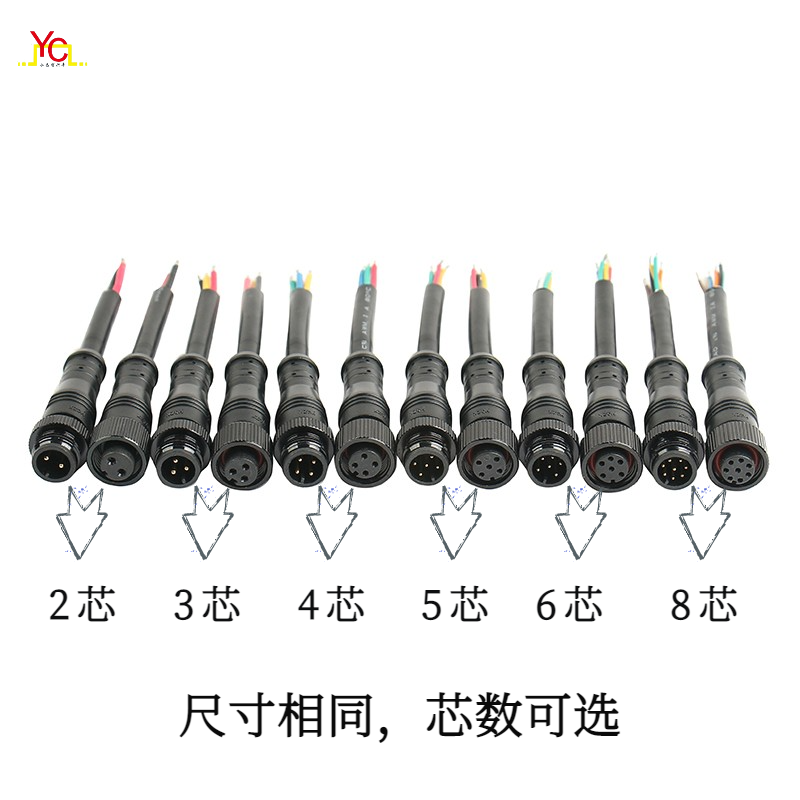
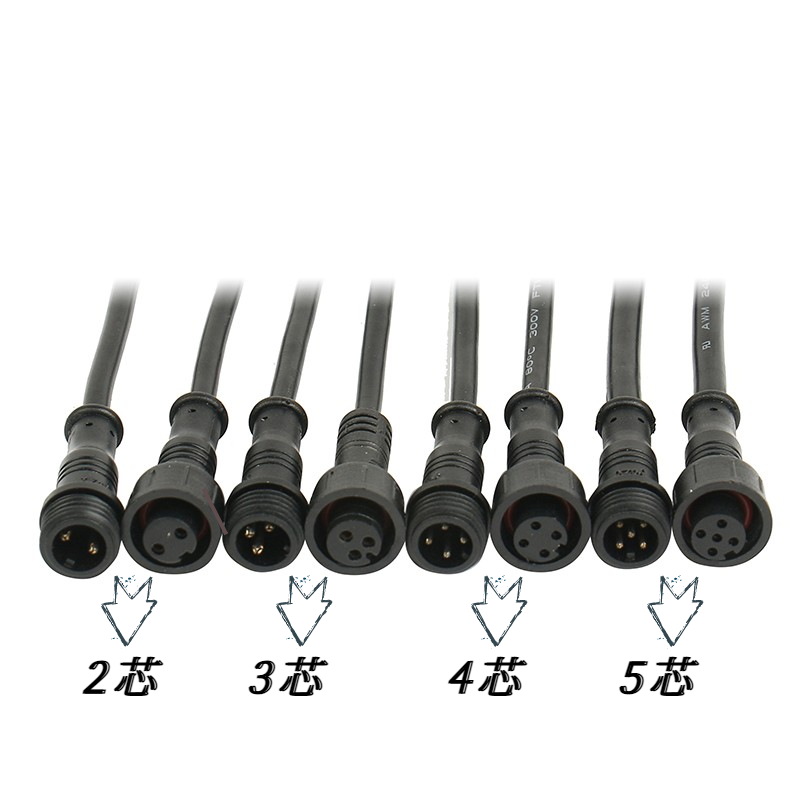
Connector configuration: Confirm the number of contacts, pin arrangement, connector type, and mating requirements.
Cable compatibility: Check cable diameter, conductor specifications, and cable entry dimensions.
Protection requirements: Review the specified IP rating and the conditions under which the rating was tested.
Operating environment: Consider temperature, humidity, vibration, chemical exposure, and possible mechanical impact.
Installation method: Confirm whether the connector uses threaded coupling, locking structures, or another connection method.
Customization requirements: For OEM projects, discuss housing materials, cable lengths, pin configurations, and other available design options with the manufacturer.
For equipment manufacturers and industrial distributors, choosing a connector is not only about comparing plastic and metal materials. It is also important to find a manufacturing partner that understands the application and can provide suitable product configurations.
YCZXF focuses on waterproof connector solutions for industrial and electrical applications. When evaluating a project, customers can discuss connector structure, housing material, contact configuration, cable requirements, and application conditions.
The right product should be selected according to verified specifications and actual project requirements.
Not necessarily. Plastic connectors are generally lighter and use insulating housing materials, while metal connectors are often selected for rigid housing construction. The better option depends on the application.
It depends on the metal material and surface treatment. Some metals are more corrosion-resistant than others. Buyers should confirm material specifications when selecting connectors for humid or corrosive environments.
They can be suitable for outdoor applications when the complete connector design and material specifications support the intended environmental conditions.
No. Waterproof performance depends on the sealing design, mating interface, cable entry, and testing conditions. Housing material alone does not determine the IP rating.
Customization options depend on the manufacturer's product range and production capabilities. Buyers should discuss housing materials, connector configurations, cable requirements, and other project specifications in advance.
Looking for plastic or metal waterproof connectors for your next industrial project?
Contact YCZXF to discuss your application, connector configuration, material requirements, and OEM or bulk purchasing needs. Our team can help you identify suitable product options based on your project specifications.
 Returns a list
 0755-28471633