 Message
 中文
中文
 English


News


News
Surviving the Steam: M12 Polymer Core Connectors for Medical Sterilization Systems
Release time:2026-07-20
viewed:202
The manufacturing of medical devices, surgical instruments, and pharmaceutical implants requires absolute sterility. To achieve this, facilities utilize massive, fully automated industrial autoclaves and Sterilize-In-Place (SIP) systems. These chambers are heavily instrumented with precision temperature probes, pressure transducers, and vacuum sensors to validate every sterilization cycle.
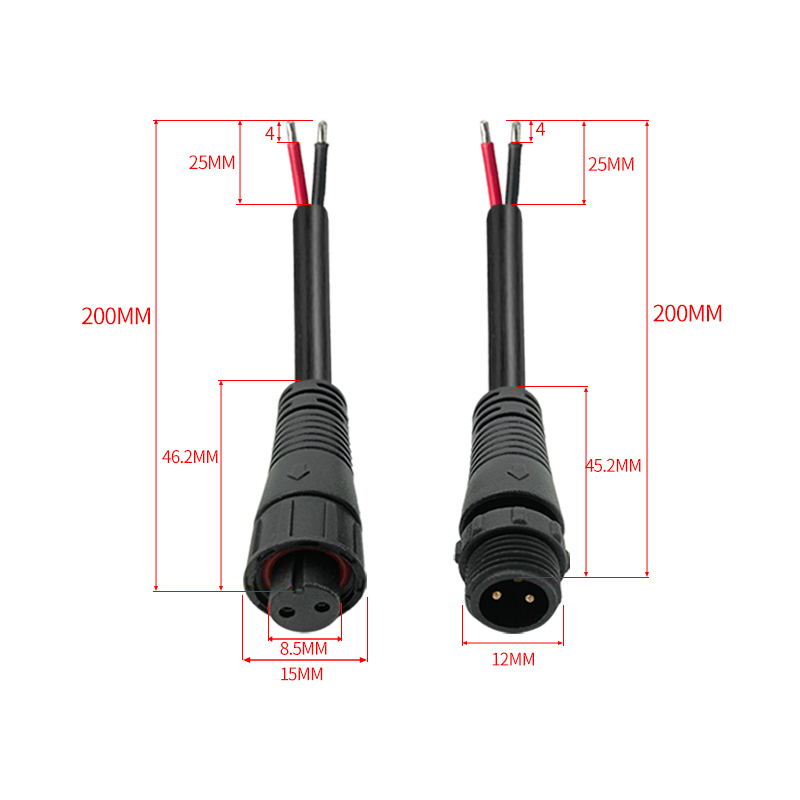
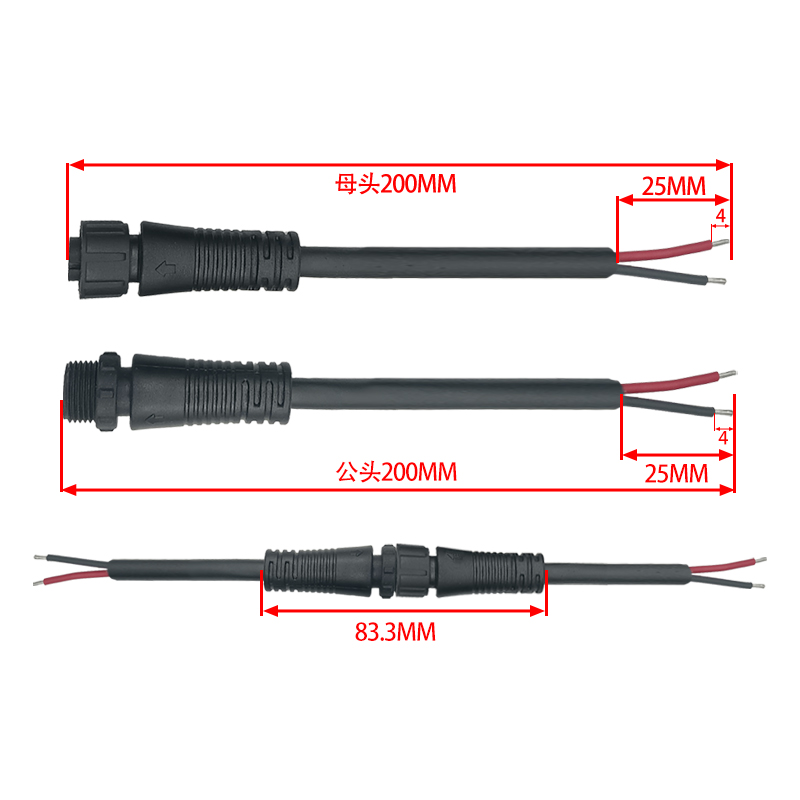
However, the environment inside and immediately surrounding an industrial autoclave is a nightmare for electronic infrastructure. Equipment is subjected to violent thermal shock—rapidly shifting from deep vacuums to pressurized steam exceeding 134°C (273°F). In these extreme thermal conditions, the true point of failure is rarely the outer cable jacket; it is the internal plastic core (insulator insert) of the M12 connector. Cheap M12 cores warp under heat, allowing high-pressure steam to bypass the outer seals. To guarantee absolute internal sealing and regulatory compliance, medical automation engineers specify the advanced polymer core architecture of YCZXF’s overmolded M12 cable assemblies.
Wiring automated sensors in a sterilization facility involves battling a hidden, microscopic physical phenomenon:
Thermal Expansion Mismatch: Standard M12 connectors use cheap nylon inserts. When blasted with 134°C steam and then rapidly cooled, the metal pins and the plastic core expand and contract at completely different rates. This mismatch creates microscopic gaps between the copper pin and the plastic core.
Capillary Steam Wicking: Once those microscopic gaps form, the autoclave's deep vacuum and subsequent high-pressure steam easily bypass standard rubber O-rings. The steam is sucked directly into the core via capillary action, condensing inside the sensor housing and short-circuiting the electronics from the inside out.
Insulator Embrittlement: Continuous exposure to extreme heat and oxidative steam rapidly degrades low-grade plastics, causing the core to become brittle and eventually crack under the pressure of the mating cycle.
YCZXF custom-engineers M12 assemblies where the internal polymer core (胶芯) is specifically formulated to combat thermal shock, completely eliminating internal voids and capillary wicking.
1. Matched Thermal Expansion and Anti-Capillary SealingWe do not use generic nylon cores. YCZXF utilizes premium, high-temperature polymer inserts engineered with a Coefficient of Thermal Expansion (CTE) that closely matches the copper pins. During extreme autoclave cycles, the core and the pins expand and contract in unison. When combined with our high-pressure injection overmolding, we create a solid, void-free block that makes capillary steam wicking physically impossible.
2. Premium High-Temperature Dielectric MaterialsTo survive thousands of daily sterilization cycles, our M12 cores are molded from specialized engineering plastics designed for extreme thermal stability. These premium insulators will not melt, swell, or crack when repeatedly exposed to 134°C steam, ensuring the pins remain perfectly aligned and isolated.
3. Absolute IP69K Steam ResistanceBecause the YCZXF polymer core bonds seamlessly with both the heavily gold-plated pins and the outer overmolded jacket, it acts as a secondary, impenetrable bulkhead. Even if the ambient environment is permanently saturated with pressurized steam, the YCZXF core completely blocks moisture from reaching the critical sensor contacts.
In medical device manufacturing, a failed sensor due to internal steam ingress invalidates the sterilization cycle, costing thousands of dollars in lost production time. Protect your autoclave automation with the uncompromising, anti-capillary architecture of YCZXF M12 waterproof connectors.
 Returns a list
 0755-28471633