 Message
 中文
中文
 English


News


News
Micro-Scale Perfection: Overmolded M6 Connectors for Laboratory Automation
Release time:2026-07-21
viewed:194
The future of medical diagnostics and biotechnology relies on high-throughput laboratory automation. Modern In-Vitro Diagnostic (IVD) blood analyzers, DNA sequencers, and micro-fluidic liquid handlers process thousands of samples per hour. To achieve this speed, the automated chassis is densely packed with microscopic photo-eyes, micro-pneumatic valves, and precision dosing pumps.
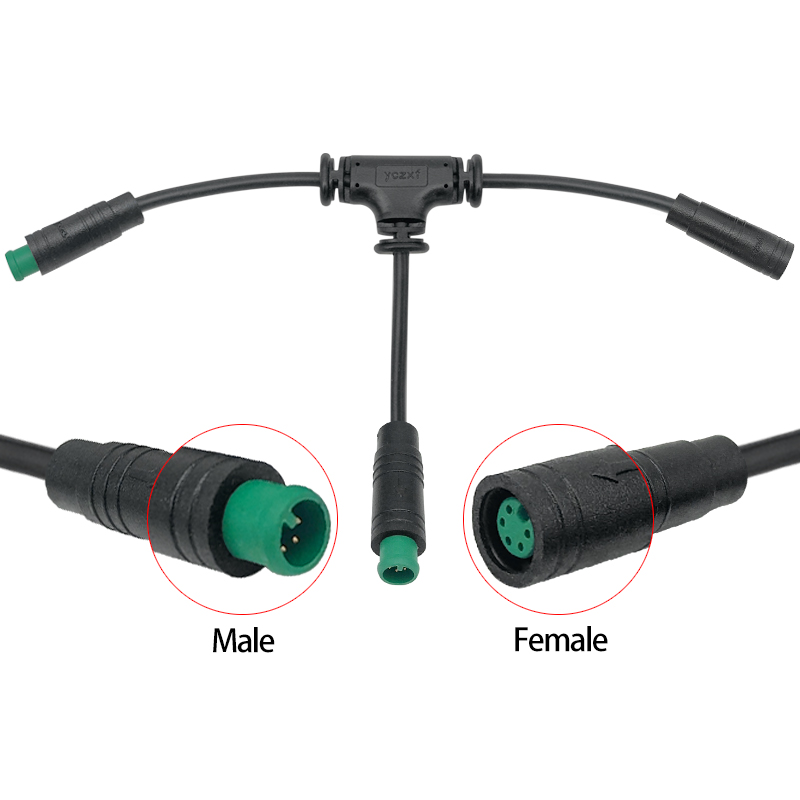
Because engineering space on a lab automation deck is measured in millimeters, equipment designers utilize the ultra-miniature M6 circular connector to wire these micro-sensors. However, the environment inside a diagnostic machine is deceptively harsh. These tiny electrical connections are constantly exposed to spilled saline, aggressive biological buffers, and chemical wash reagents. Standard sub-miniature connectors are incredibly fragile; their microscopic mechanical seams easily trap liquids, leading to rapid sensor short-circuits. To guarantee zero-defect analysis in these cramped spaces, biomedical engineers specify the seamless, chemical-resistant protection of YCZXF’s overmolded (injection-molded) M6 waterproof cable assemblies.
Wiring micro-sensors inside a high-speed liquid handler involves battling severe chemical and physical hazards:
Capillary Wicking in Tight Spaces: Standard field-wireable M6 connectors rely on exceptionally small locking threads. When saline or wash buffers splash onto the connector, the liquid easily breaches these microscopic seams and is sucked directly into the sensor housing via capillary action.
Aggressive Chemical Reagents: Diagnostic machines utilize harsh cleaning reagents, bleach solutions (sodium hypochlorite), and chemical lysing buffers. These chemicals rapidly dissolve standard commercial plastics and degrade the tiny rubber O-rings found in traditional M6 plugs.
Biological Cross-Contamination: In clinical diagnostics, the tiny mechanical crevices of a standard threaded connector act as microscopic breeding grounds for biological residue, making complete decontamination of the instrument deck nearly impossible.
YCZXF custom-engineers ultra-compact M6 cable assemblies that completely isolate your micro-automation hardware from liquid reagents and biological hazards.
1. A Monolithic, Crevice-Free Micro-ProfileBy injecting a specialized, laboratory-grade thermoplastic directly over the M6 connector core, we create a single, continuous surface. Without exposed microscopic threads or separate backshells, there are absolutely zero crevices for chemical salts or biological residue to accumulate. This ultra-smooth profile ensures effortless wipe-downs and maintains strict diagnostic purity.
2. Premium Reagent and Chemical ResistanceWe strictly avoid standard PVC for clinical applications. YCZXF selects premium, industrial-grade Polyurethane (PUR) and specialized thermoplastic blends engineered specifically to resist prolonged exposure to aggressive wash buffers, saline solutions, and laboratory decontaminants without turning brittle.
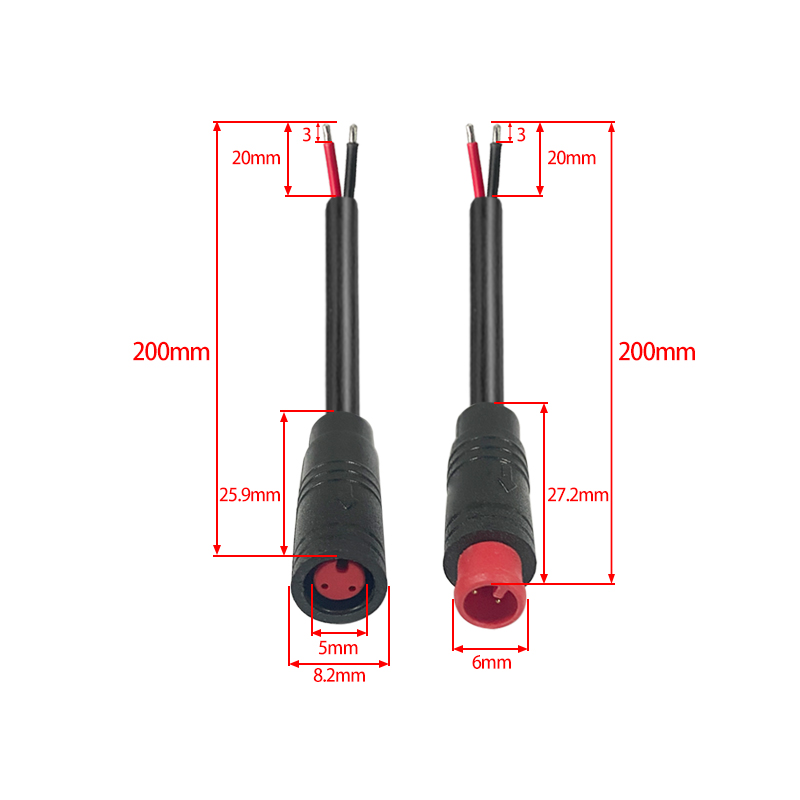
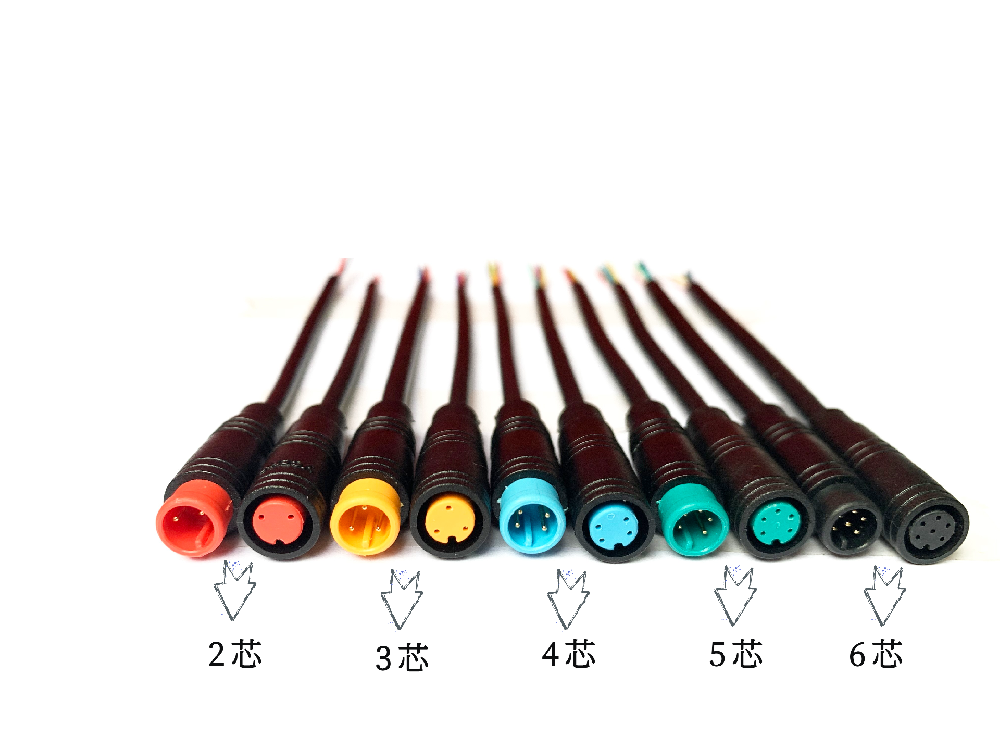
3. Absolute IP68 Liquid Sealing in a Micro FootprintThe overmolding process chemically bonds the outer shell to the cable, creating an impenetrable hermetic seal. Despite their sub-miniature size (only 6mm in diameter), YCZXF M6 connectors meet stringent IP68 standards. Whether your micro-sensors are mounted directly beneath a splashing pipette nozzle or near a fluidic wash station, the seal completely blocks moisture from reaching the critical electrical contacts.
In clinical laboratory automation, a single short-circuited micro-sensor can halt an analyzer, delaying critical patient results. Do not let a vulnerable micro-connector cause a catastrophic instrument failure. Protect your diagnostic hardware with the uncompromising, space-saving, and reagent-resistant architecture of YCZXF waterproof M6 connectors.
 Returns a list
 0755-28471633