 Message
 中文
中文
 English


News


News
The Future of Connectivity: Trends in Waterproof Connector Technology for 2026
Release time:2026-04-15
viewed:256
As industries shift toward the Internet of Things (IoT) and smart city infrastructure, the demand for "ruggedized" connectivity is skyrocketing. It is no longer enough for a connector to simply be waterproof; it must now be smaller, faster, and smarter.
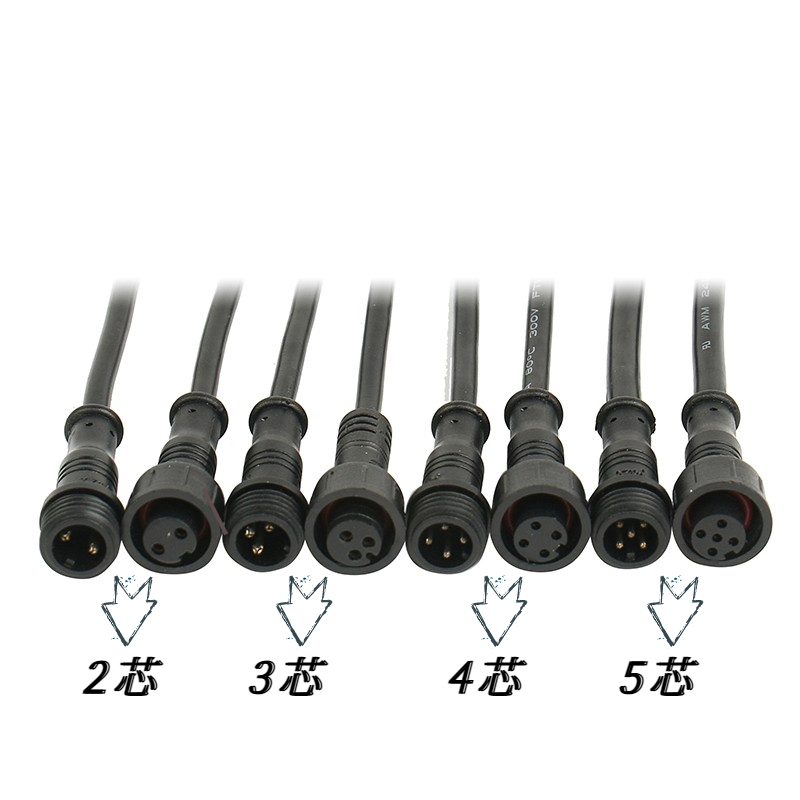
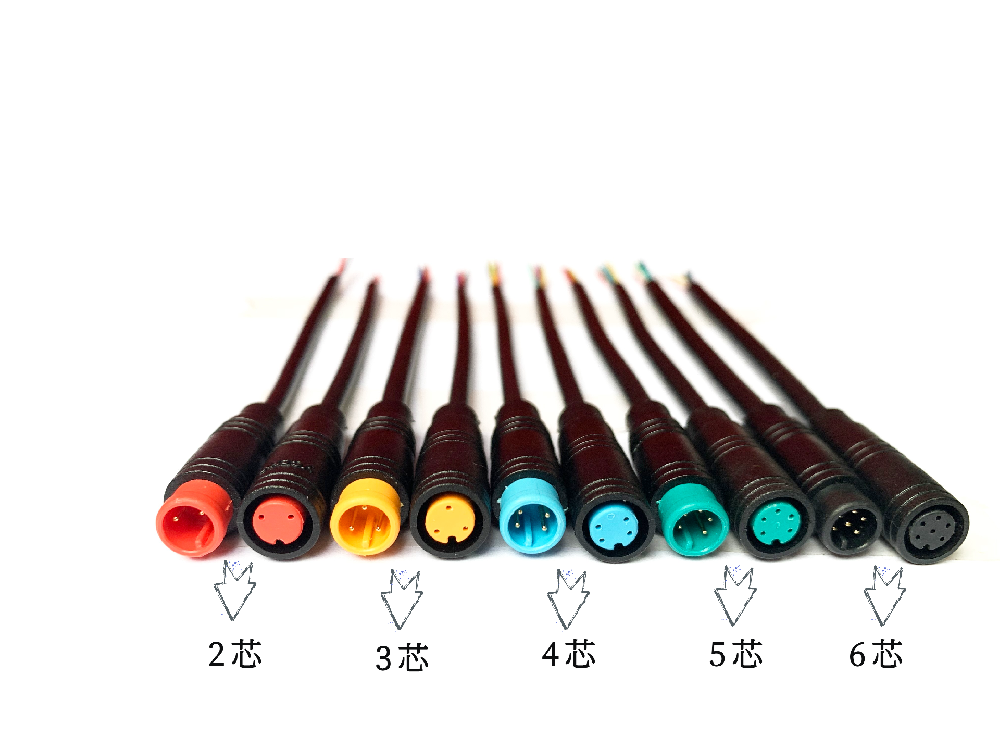
As devices get smaller, the space available for ports shrinks. The challenge for manufacturers is maintaining an IP68 rating in a compact form factor. Modern miniature waterproof connectors now offer high pin counts in diameters under 10mm, enabling sleek designs for handheld outdoor devices and compact sensors.
The rise of 5G base stations and smart LED grids requires connectors that can handle both high-voltage power and high-speed data (such as Cat6e or Fiber) simultaneously. Hybrid waterproof connectors reduce the number of entry points in a device, which inherently lowers the risk of leakage.
In high-vibration environments—like renewable energy wind turbines or automotive testing—traditional friction-fit connectors fail. The market is moving toward push-pull and "click-lock" mechanisms that provide tactile and audible feedback, ensuring a waterproof seal is fully engaged every time.
At PINA GUARD, we stay ahead of these trends by investing in precision molding and advanced silicone sealing technologies. Our latest range of connectors is designed specifically for:
Outdoor LED Displays: Ensuring vibrant visuals regardless of weather.
Renewable Energy: Connecting solar arrays with UV-resistant, high-ampacity plugs.
Industrial Automation: Supporting Industry 4.0 with shielded, waterproof signal transmission.
The evolution of waterproof connectors is driven by the need for reliability in an increasingly connected—and unpredictable—world. Whether you are upgrading an existing system or launching a new product, yczxf provides the technical expertise to keep you connected.
 Returns a list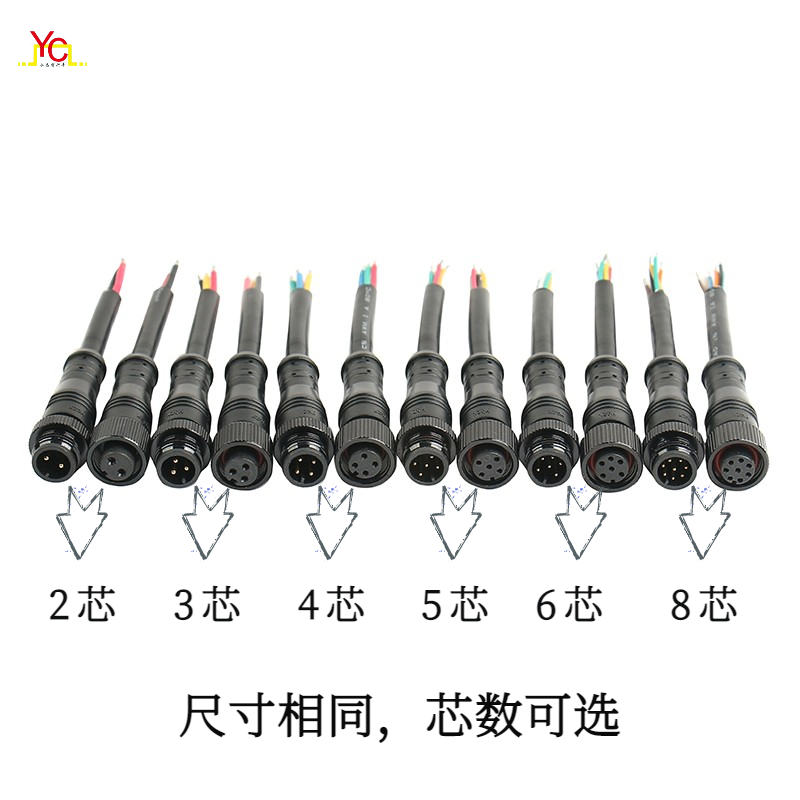
 0755-28471633