In industries ranging from automotive and renewable energy to outdoor lighting and marine engineering, the reliability of electrical connections directly impacts equipment performance, safety, and lifespan. When exposed to moisture, dust, rain, or even submersion, standard connectors fail to protect internal circuits, leading to short circuits, corrosion, and costly downtime. This is where waterproof connectors come into play—engineered to create a secure, sealed barrier against environmental contaminants while ensuring stable power and signal transmission. Whether you’re designing outdoor electronics, industrial machinery, or underwater equipment, understanding waterproof connectors is key to building durable, long-lasting systems.
What Are Waterproof Connectors?
Waterproof connectors are specialized electromechanical devices designed to maintain reliable electrical connections in damp, dusty, or water-exposed environments. Unlike standard connectors, which offer little to no protection against moisture, waterproof connectors feature advanced sealing structures and rugged materials that prevent water, dust, and other pollutants from entering the contact enclosure. Their core function is to safeguard electrical connection points, ensuring consistent performance even in the harshest conditions—from heavy rain and high humidity to full submersion and corrosive environments.
The effectiveness of a waterproof connector is quantified by its Ingress Protection (IP) rating, a global standard established by the International Electrotechnical Commission (IEC) to define protection against solids and liquids. This rating consists of two digits: the first indicates dust protection (0–6, with 6 being fully dust-tight), and the second indicates water protection (0–9K, with higher numbers representing stronger water resistance). Common ratings for waterproof connectors include IP67, IP68, and IP69K, each tailored to specific application needs.
Common Types of Waterproof Connectors
Waterproof connectors come in various designs, each optimized for different installation methods, environments, and performance requirements. Below are the most widely used types, along with their key features and applications:
1. Threaded Locking Connectors
The most common type of waterproof connector, threaded locking connectors use a rotating thread to secure the plug and socket, compressing a密封圈 (O-ring or silicone gasket) to create a watertight seal. Popular models include the M series (such as M12 and M16) and GX series, which are widely used in industrial automation, sensors, and outdoor lighting. The M12 connector, for example, has a 12mm diameter, supports 2–12 core configurations, and often includes shielding for anti-interference, making it ideal for industrial sensors and LED systems. The M16 variant, typically made of metal (nickel-plated copper or stainless steel), offers higher mechanical strength and electromagnetic shielding, suitable for automation equipment and aerospace applications.
2. Snap-Lock Connectors
Designed for quick and easy connection, snap-lock connectors use a卡扣 mechanism to lock the plug and socket in place, with built-in sealing structures to ensure waterproof performance. They are lightweight, compact, and ideal for applications where frequent disconnection is required, such as LED light strips, small outdoor electronics, and consumer devices like action cameras. Their simple installation process eliminates the need for tools, making them a popular choice for DIY projects and low-volume applications.
3. Push-Pull Locking Connectors
Push-pull connectors feature a user-friendly design—simply push the plug into the socket to connect and lock automatically, and pull to unlock. This design ensures quick installation even in tight spaces, making them suitable for industrial automation, medical equipment, and marine applications. Many push-pull connectors offer IP67 or IP68 ratings, with robust construction that withstands vibration and shock, ensuring long-term reliability in demanding environments.
4. Flange-Mounted Connectors
Flange-mounted connectors are installed on equipment enclosures using a flange and sealing gasket, ensuring a tight seal around the panel opening. They are commonly used in industrial machinery, outdoor electrical cabinets, and marine equipment, where panel-mounted connections need to be protected from water and dust. The flange design provides extra stability, making them resistant to vibration and mechanical stress.
5. Specialized Waterproof Connectors
For unique applications, specialized waterproof connectors are available to meet specific requirements:
- MC4 Connectors: Designed for solar photovoltaic (PV) systems, MC4 connectors are UV-resistant, high-voltage rated (above 1000V), and feature a self-locking mechanism to prevent accidental loosening, making them ideal for solar panels and inverters.
- RJ45 Waterproof Connectors: Optimized for network connections, these connectors have a standard RJ45 interface with threaded locking and rubber seals, ensuring stable data transmission in outdoor network equipment, surveillance cameras, and industrial communications.
- Underwater Connectors: Built for long-term submersion, these connectors have extremely high IP ratings (IP68 or higher) and pressure resistance, suitable for underwater robots, marine instruments, and deep-sea exploration equipment.
Key Applications of Waterproof Connectors
Waterproof connectors are essential in any industry where electrical connections are exposed to harsh environments. Their versatility makes them suitable for a wide range of applications, including:
Automotive Industry
In new energy vehicles (NEVs), waterproof connectors are used in batteries, motors, charging ports, and sensors (rainfall, liquid level), ensuring reliable power transmission and protection against water and road debris. They meet strict standards like USCAR-2 and IP67/IP69K, withstanding high temperatures, vibration, and chemical exposure from road salts and fluids.
Outdoor Lighting &安防
LED streetlights, garden lights, landscape lights, and underwater lights rely on waterproof connectors to withstand rain, snow, and humidity. Outdoor surveillance cameras and advertising screens also use these connectors to prevent water ingress, ensuring 24/7 operation in all weather conditions.
Renewable Energy
Solar PV systems, wind turbines, and energy storage equipment use waterproof connectors to handle outdoor exposure and harsh weather (heatwaves, snowstorms). MC4 connectors, in particular, are widely used in solar panel junction boxes, maintaining secure connections for decades of service.
Industrial & Marine Engineering
工程机械, agricultural machinery, and food processing equipment use waterproof connectors to resist water, dust, and corrosion from cleaning agents and chemicals. Marine equipment, including shipboard systems and underwater instruments, relies on corrosion-resistant connectors (often made of stainless steel) to withstand saltwater exposure and extreme pressure.
Consumer Electronics
Outdoor consumer devices like action cameras, drones, waterproof Bluetooth speakers, and diving flashlights use compact waterproof connectors to enable underwater use and protection against splashes. Some USB Type-C connectors are also engineered with IP68 sealing, making them suitable for rugged mobile devices.
How to Choose the Right Waterproof Connector
Selecting the right waterproof connector depends on your specific application, environment, and performance needs. Follow these key steps to make an informed choice:
1. Determine the IP Rating Requirement
Choose an IP rating that matches your environment:
- IP65: Protects against low-pressure water jets (e.g., outdoor淋雨, garden sprinklers) – ideal for outdoor LED signs and small sensors.
- IP67: Withstands short-term submersion (1 meter deep for 30 minutes) – suitable for outdoor充电桩, AGV robots, and food processing sensors.
- IP68: Designed for long-term submersion (depth and time specified by the manufacturer) – perfect for underwater equipment and marine applications.
- IP69K: Resists high-temperature, high-pressure water jets (80℃, 80–100bar) – used in car wash equipment and industrial cleaning systems.
2. Consider Environmental Conditions
Evaluate the operating environment to select the right materials and design:
- Temperature: Choose connectors that withstand extreme temperatures (typically -40℃ to 125℃ for most applications; specialized models handle -55℃ to 200℃).
- Corrosion: For coastal or chemical environments, select connectors with corrosion-resistant materials (stainless steel, PBT, PA66) and salt雾 resistance (1000+ hours of salt雾 testing).
- Vibration: For automotive or industrial machinery, choose connectors with anti-vibration locking mechanisms to prevent accidental disconnection.
3. Match Electrical Specifications
Ensure the connector’s electrical parameters align with your equipment:
- Rated Voltage/Current: Match the connector’s rating to your device’s power requirements (ranging from 0.5A for small sensors to 500A for industrial machinery).
- Contact Resistance: Opt for low contact resistance (≤10mΩ) to minimize signal attenuation and power loss – look for gold or nickel-plated pins for better conductivity and anti-oxidation.
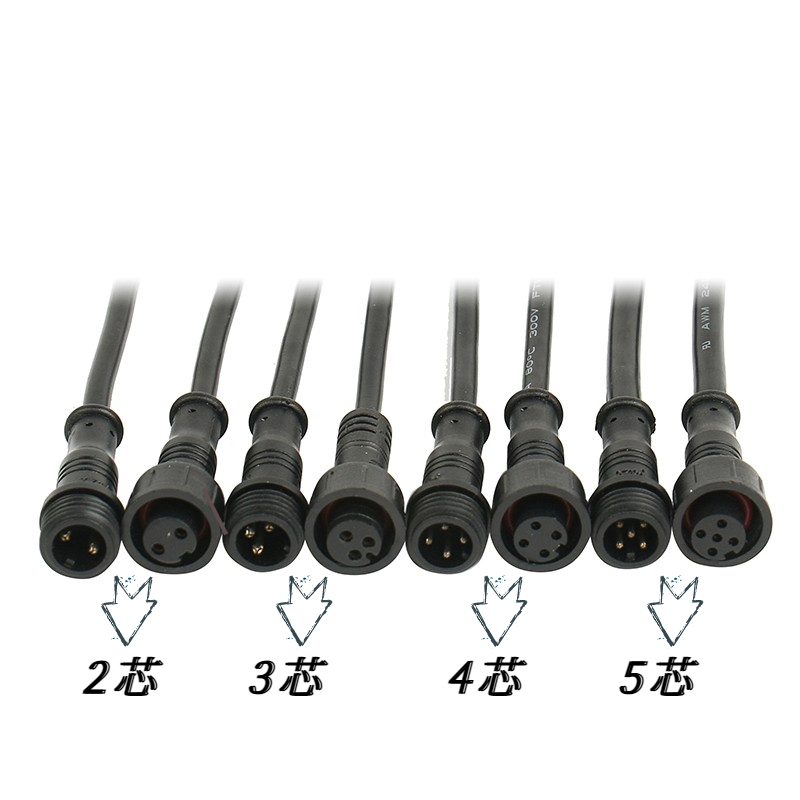
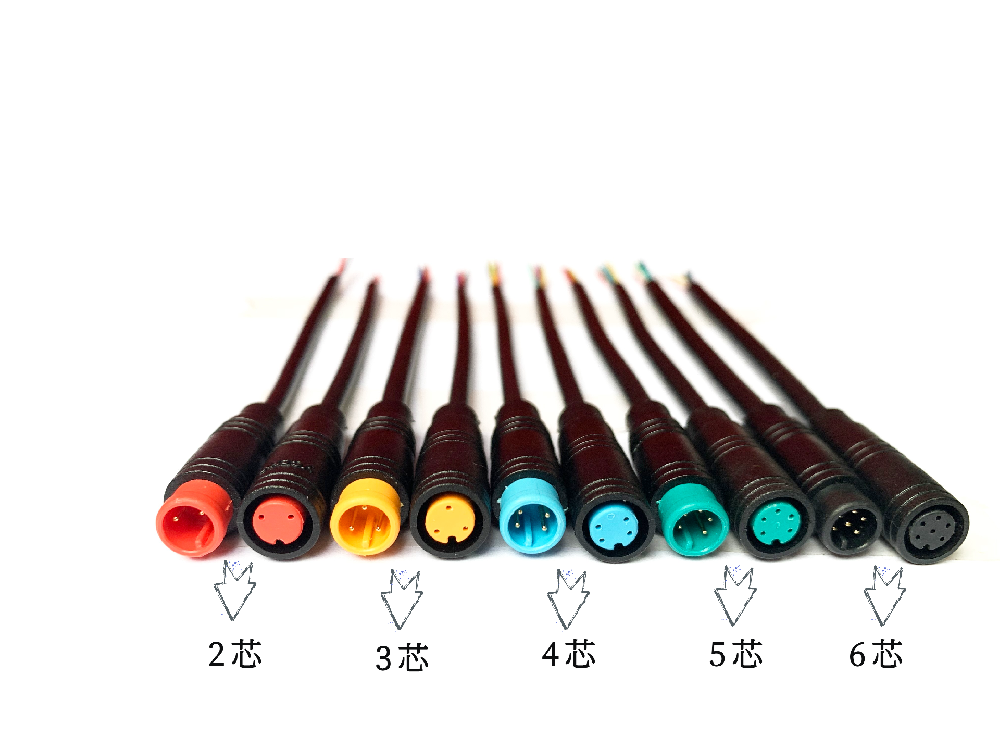
- Core Count: Choose the number of cores based on the number of power/signal lines (2–24 cores are common; multi-core models for simultaneous power and signal transmission).
4. Prioritize Installation & Durability
Consider installation ease and long-term durability:
-插拔 Life: Industrial applications require connectors with ≥5000插拔 cycles; consumer devices can use ≥1000 cycles.
- Installation Type: Choose flange-mounted, panel-mounted, or cable-to-cable connectors based on your equipment’s design.
- Material: Plastic connectors (PBT, PA66) are lightweight and cost-effective for standard applications; metal connectors (stainless steel, aluminum) offer higher strength for harsh industrial environments.
Maintenance Tips for Waterproof Connectors
Proper maintenance ensures the longevity and performance of waterproof connectors. Follow these tips to prevent failures:
Regularly Inspect Seals: Replace aging or damaged密封圈 (every 1–2 years) – this is the most common cause of water ingress.
Clean Contact Points: Use alcohol cotton swabs to remove dust, dirt, and oxidation from pins, ensuring stable conductivity.
Avoid Forceful插拔: Use axial force when connecting or disconnecting to prevent bent pins or damaged sealing structures.
Conduct Periodic Testing: For critical equipment, perform airtightness or short-term immersion tests to verify waterproof performance.
Final Thoughts
Waterproof connectors are the unsung heroes of reliable electrical connections in harsh environments. From outdoor lighting to deep-sea equipment, their ability to protect against moisture, dust, and corrosion ensures equipment safety, reduces downtime, and extends service life. By understanding the different types, IP ratings, and selection criteria, you can choose the right waterproof connector for your application—whether you’re a DIY enthusiast, an engineer, or a business owner looking to enhance product durability.
Investing in high-quality waterproof connectors is not just a cost-saving measure; it’s a commitment to reliability. With the right connector, you can ensure your equipment performs consistently, even when nature throws its worst at it.
 Message
 中文
中文
 English




 Returns a list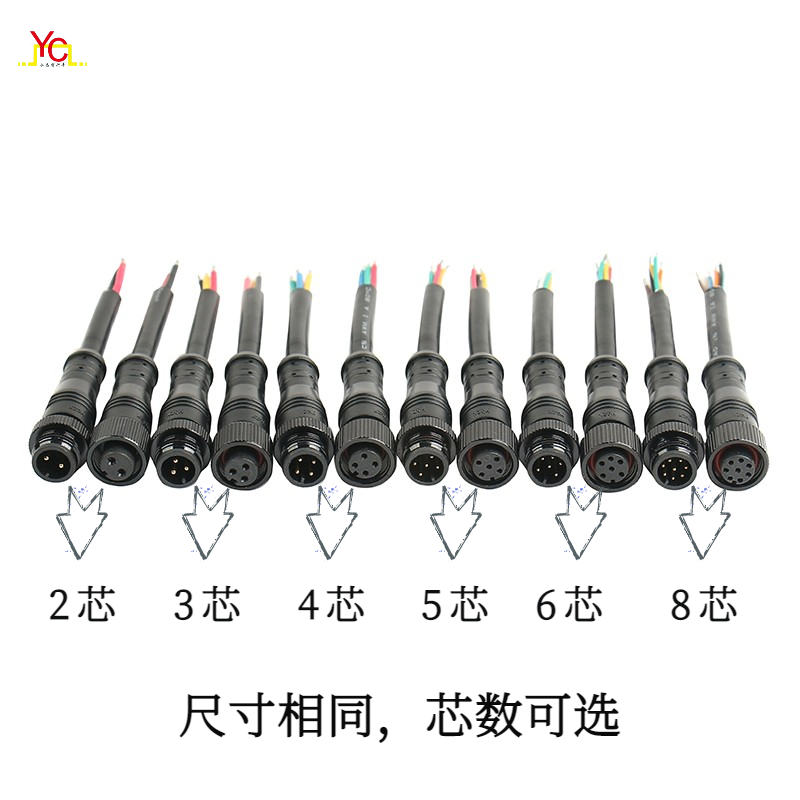
 0755-28471633