Introduction
Panel mount connectors are essential components in modern electronics and industrial systems, designed to secure electrical connections between the inside and outside of equipment enclosures, panels, or cases. Among the most widely used circular panel connectors are the GX12 and GX16 series, renowned for their durability, versatility, and reliable performance in diverse environments. While both belong to the circular metal connector family, they differ significantly in size, power capacity, and application scope—making it critical to understand their unique features to select the optimal connector for your project. This article explores the key distinctions, specifications, applications, and pros and cons of GX12 and GX16 panel mount connectors, helping you make informed decisions for your electrical design needs.
What Are GX12 and GX16 Panel Mount Connectors?
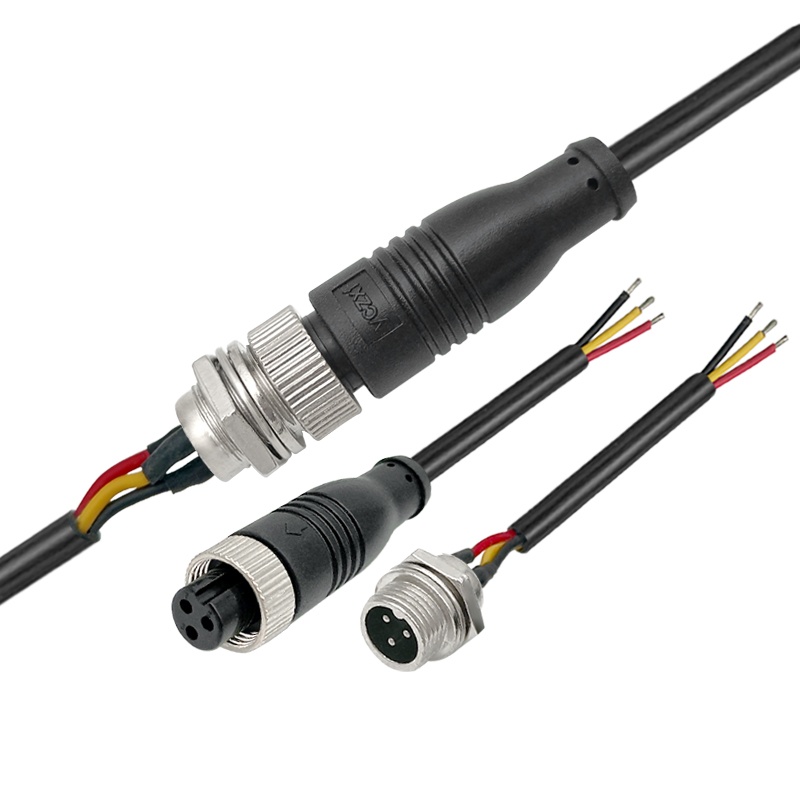
GX12 and GX16 panel mount connectors are circular, metal-shelled connectors engineered for secure installation on equipment panels, enclosures, or casings. They are designed to facilitate stable electrical signal and power transmission, even in harsh conditions such as high vibration, corrosion, or extreme temperatures—common in industrial, automotive, and aerospace settings. Both connectors feature threaded or bayonet locking mechanisms to ensure a secure fit, preventing accidental disconnection during operation, and are available in various pin configurations to accommodate different wiring needs.
Panel mount connectors like the GX12 and GX16 eliminate the need for messy cable routing through enclosure holes, providing a clean, organized connection that simplifies maintenance and replacement. Unlike board mount connectors, which secure directly to PCBs to reduce stress on solder joints, panel mount connectors attach to equipment panels, creating a bridge between internal electronics and external cables or devices.
Key Differences Between GX12 and GX16 Panel Mount Connectors
The primary distinction between GX12 and GX16 panel mount connectors lies in their size and power-handling capabilities, which directly influence their applications. Below is a detailed breakdown of their key differences:
1. Size and Dimensions
The most obvious difference is their outer shell diameter: GX12 connectors have a 12mm outer diameter, while GX16 connectors feature a larger 16mm diameter. This size difference impacts both installation space requirements and compatibility with equipment panels. GX12 connectors require a smaller clearance hole (typically 8mm) and are ideal for compact devices where space is at a premium, while GX16 connectors need a larger cutout to accommodate their size, making them better suited for equipment with more available panel space.
Additionally, GX12 connectors have a lock ring outer diameter of approximately 22mm and a thread size of M19 x 1mm, while GX16 connectors feature larger threading and mounting hardware to support their higher power capacity.
2. Electrical Specifications
Electrical performance is another critical differentiator. GX12 panel mount connectors typically have a voltage rating of up to 250V and a current capacity of 5A, making them suitable for low-power applications. In contrast, GX16 connectors offer a higher voltage rating (up to 400V) and current capacity (up to 10A), enabling them to handle high-power transmission for industrial equipment and heavy-duty systems.
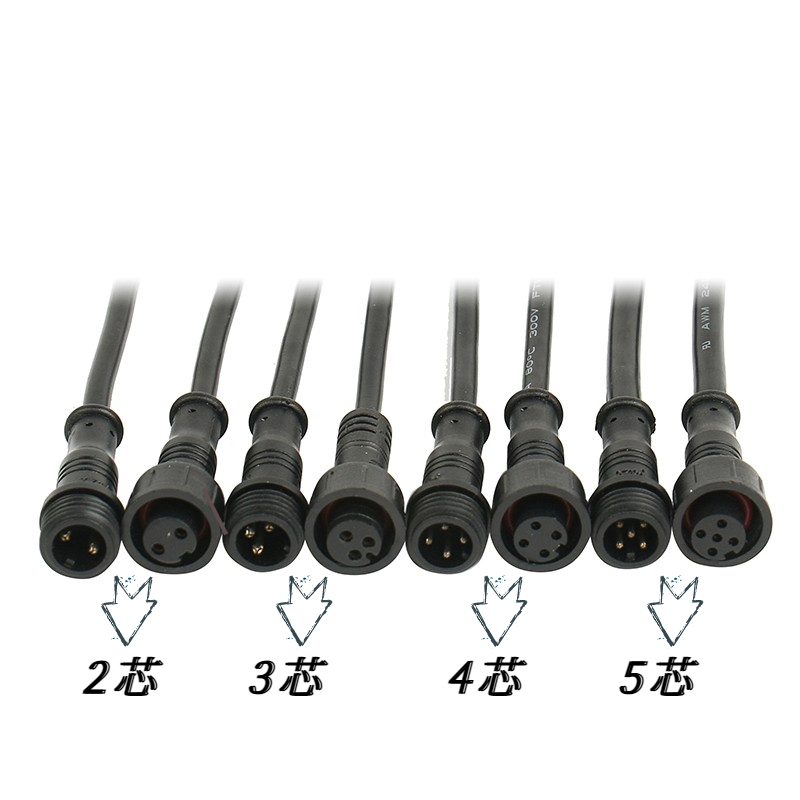
Both connectors are available in various pin counts: GX12 connectors range from 2 to 8 pins (with some variants offering up to 24 pins for specialized applications), while GX16 connectors support 2 to 12 pins, providing more flexibility for multi-signal or high-power wiring needs.
3. Material and Durability
Both GX12 and GX16 panel mount connectors feature metal shells (commonly aluminum alloy, nickel-plated brass, or stainless steel) for durability and electromagnetic shielding, protecting against interference and mechanical damage. They also include gaskets (rubber, silicone, or plastic) for sealing, ensuring protection against dust, moisture, and other environmental contaminants.
However, GX16 connectors are built with thicker, more robust materials to withstand the higher stress associated with heavy-duty industrial use, making them more resistant to vibration, corrosion, and mechanical impact compared to GX12 connectors, which are optimized for compact, lighter-duty applications.
4. Termination Methods
Both GX12 and GX16 panel mount connectors offer solder cup or crimp termination options. Solder cup terminations provide a secure, permanent connection but can be challenging in tight spaces, while crimp terminations are faster and more convenient but may be less secure in high-vibration environments. Notably, GX16 connectors are not available with crimp-style pins in some variants, requiring soldering after disassembling the connector’s尾部, which is a minor drawback compared to GX12’s more flexible termination options.
Applications of GX12 and GX16 Panel Mount Connectors
The size, power capacity, and durability of GX12 and GX16 connectors dictate their respective applications. Below are the most common uses for each:
GX12 Panel Mount Connector Applications
Due to their compact size, low-power capacity, and cost-effectiveness, GX12 panel mount connectors are ideal for small, lightweight devices where space is critical. Common applications include:
Consumer electronics: Cameras, microphones, audio devices, and LED lighting systems
Medical equipment: Small sensors and portable medical devices
Compact industrial tools: Miniature robotics, small automation equipment, and handheld instruments
Telecommunications: Telephone switchboards and small communication devices (a legacy application from their 1930s origins)
GX16 Panel Mount Connector Applications
GX16 panel mount connectors excel in high-power, heavy-duty applications, thanks to their higher voltage and current ratings, and robust construction. Common applications include:
Industrial machinery: Control panels, power generators, CNC machines, and 3D printers
Automotive and transportation: Electric vehicles (EVs), ships, and automotive electrical systems
Aerospace and defense: Aviation, radar systems, and military equipment
Renewable energy: Battery management systems and renewable energy devices (growing in popularity since 2025)
Audio-visual and stage equipment: Concert lighting, audio systems, and stage effects units
Pros and Cons of GX12 and GX16 Panel Mount Connectors
Understanding the advantages and limitations of each connector is essential for selecting the right option for your project.
GX12 Panel Mount Connectors: Pros and Cons
Pros:
Compact and lightweight, ideal for space-constrained devices
Cost-effective, making them suitable for high-volume, low-power applications
Easy to mount in small panels and compact equipment
Versatile termination options (solder cup and crimp) for flexible wiring
Cons:
Limited power capacity (max 5A, 250V), unsuitable for high-power applications
Fewer pin layout options compared to GX16 connectors
Less robust than GX16, making them less ideal for harsh industrial environments
GX16 Panel Mount Connectors: Pros and Cons
Pros:
High voltage (up to 400V) and current (up to 10A) ratings for heavy-duty use
Robust metal shell for durability in harsh environments (vibration, corrosion, mechanical impact)
More pin configuration options (2-12 pins) for multi-signal and high-power needs
Suitable for mission-critical applications in aerospace, industrial, and automotive sectors
Cons:
Larger size requires more panel space, unsuitable for compact devices
Typically more expensive than GX12 connectors
Some variants lack crimp termination options, requiring soldering and disassembly
How to Choose Between GX12 and GX16 Panel Mount Connectors
When selecting between GX12 and GX16 panel mount connectors, consider the following key factors:
Power Requirements: If your application requires low power (≤5A, ≤250V), GX12 is sufficient. For high-power needs (up to 10A, 400V), choose GX16.
Space Constraints: GX12 is ideal for compact devices and small panels, while GX16 requires more installation space.
Operating Environment: For outdoor, industrial, or high-vibration settings, GX16’s robust construction offers better protection. GX12 works well for indoor, light-duty applications.
Pin Configuration: If you need more than 8 pins, GX16 (up to 12 pins) is the better choice. GX12 is suitable for 2-8 pin applications.
Budget: GX12 is more cost-effective for high-volume, low-power projects, while GX16 is worth the investment for heavy-duty, mission-critical applications.
Conclusion
GX12 and GX16 panel mount connectors are versatile, reliable components that play a vital role in connecting electrical systems across industries. While GX12 excels in compact, low-power applications—offering cost-effectiveness and space-saving design—GX16 stands out for its high-power capacity, robustness, and suitability for harsh industrial, automotive, and aerospace environments. By understanding their key differences, specifications, and applications, you can select the right connector to ensure secure, stable, and long-lasting electrical connections for your project.
Whether you’re designing a compact medical device, a heavy-duty industrial control panel, or an automotive electrical system, choosing between GX12 and GX16 panel mount connectors ultimately depends on your specific power, space, and environmental requirements.
 Message
 中文
中文
 English




 Returns a list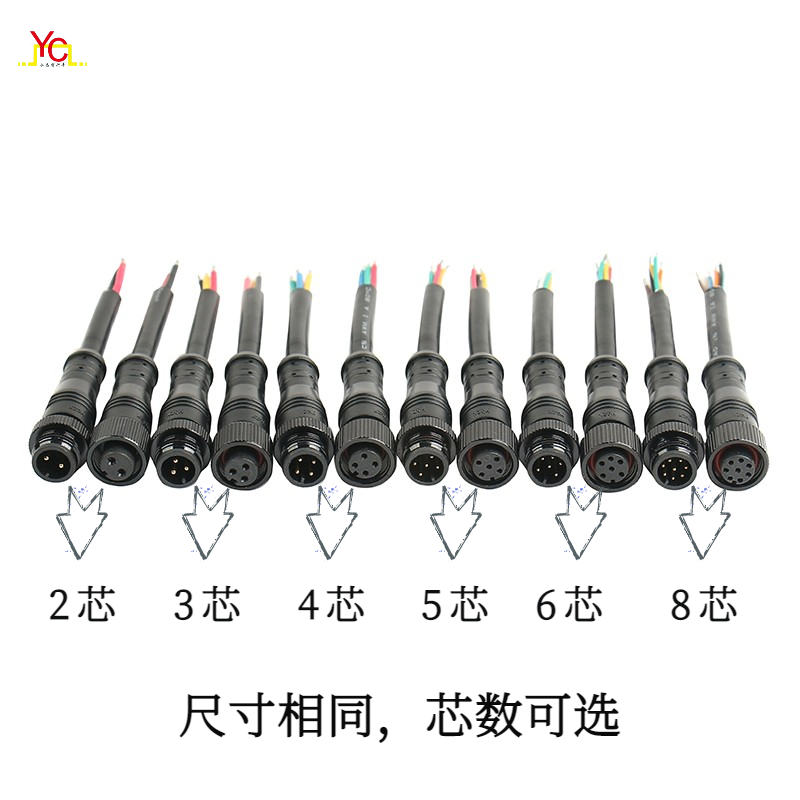
 0755-28471633